Swamp Milkweed
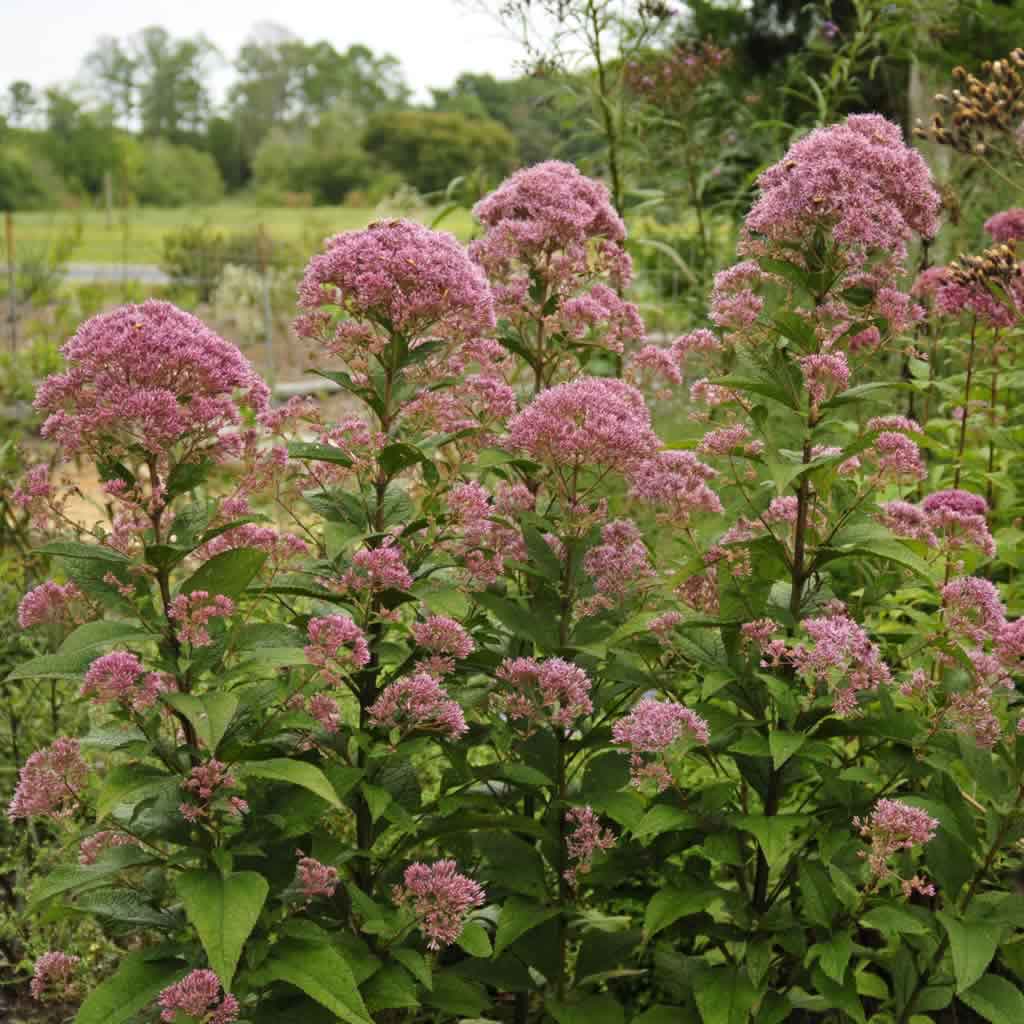
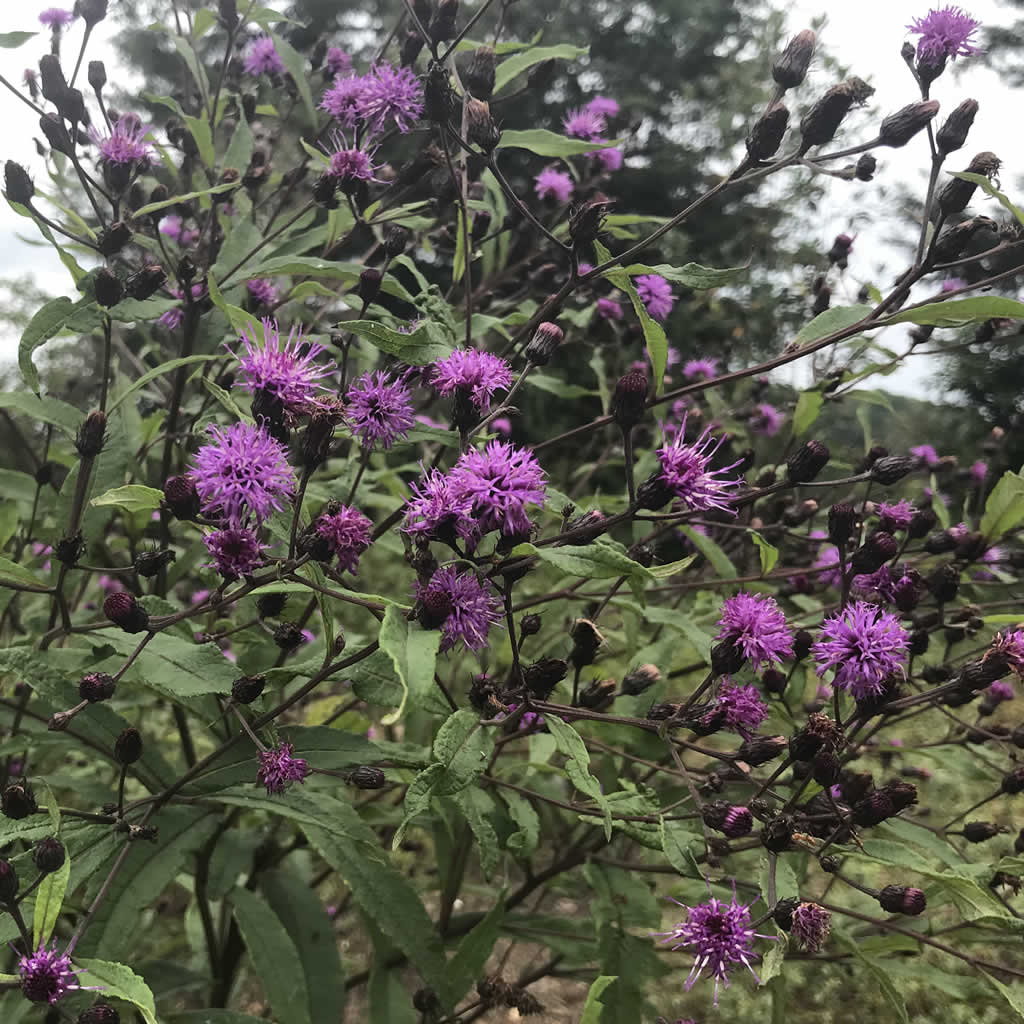
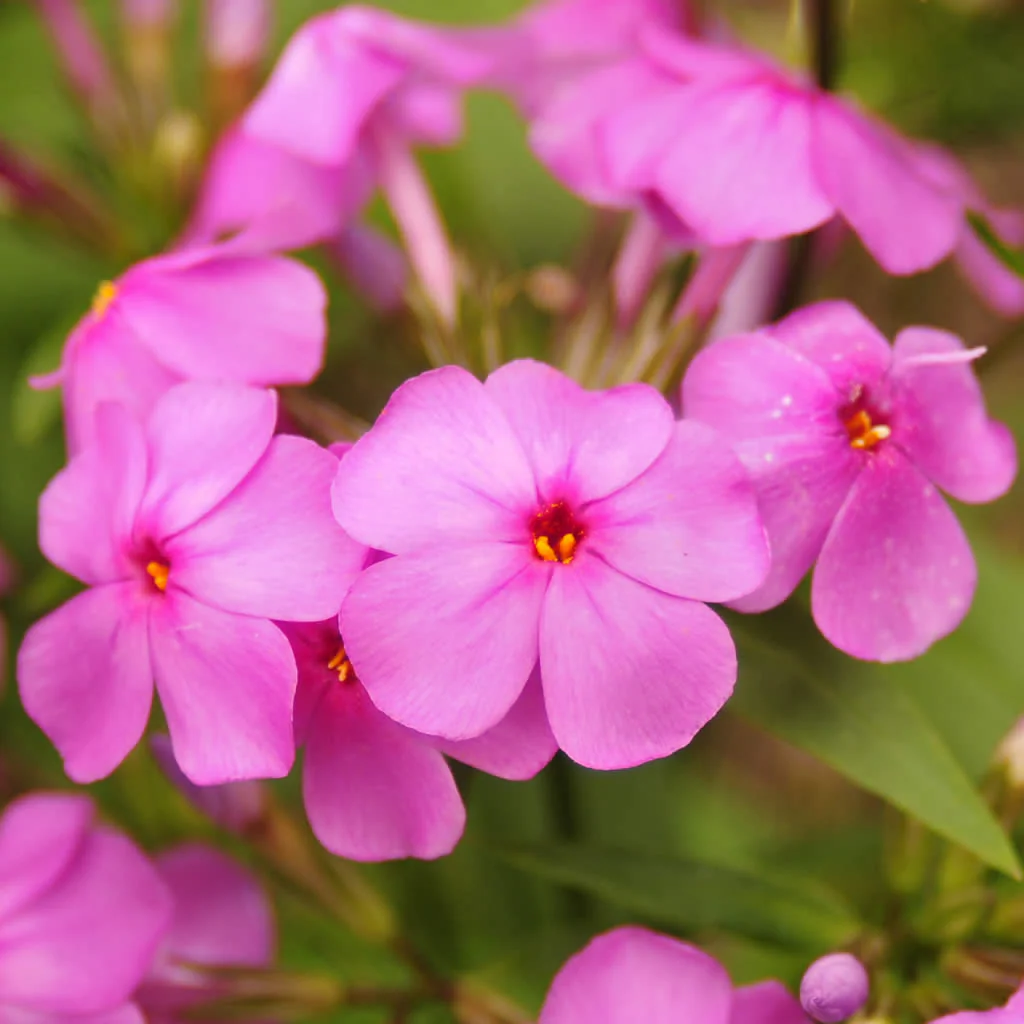
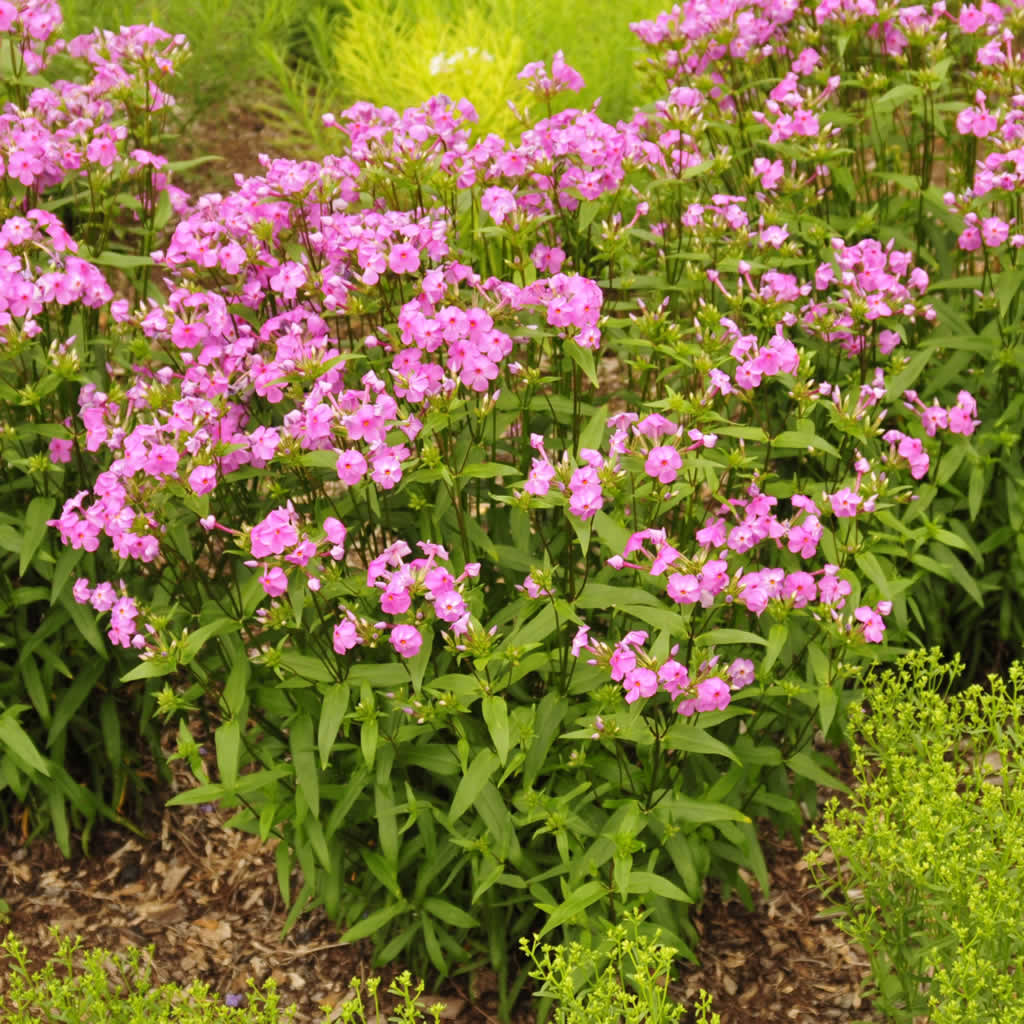
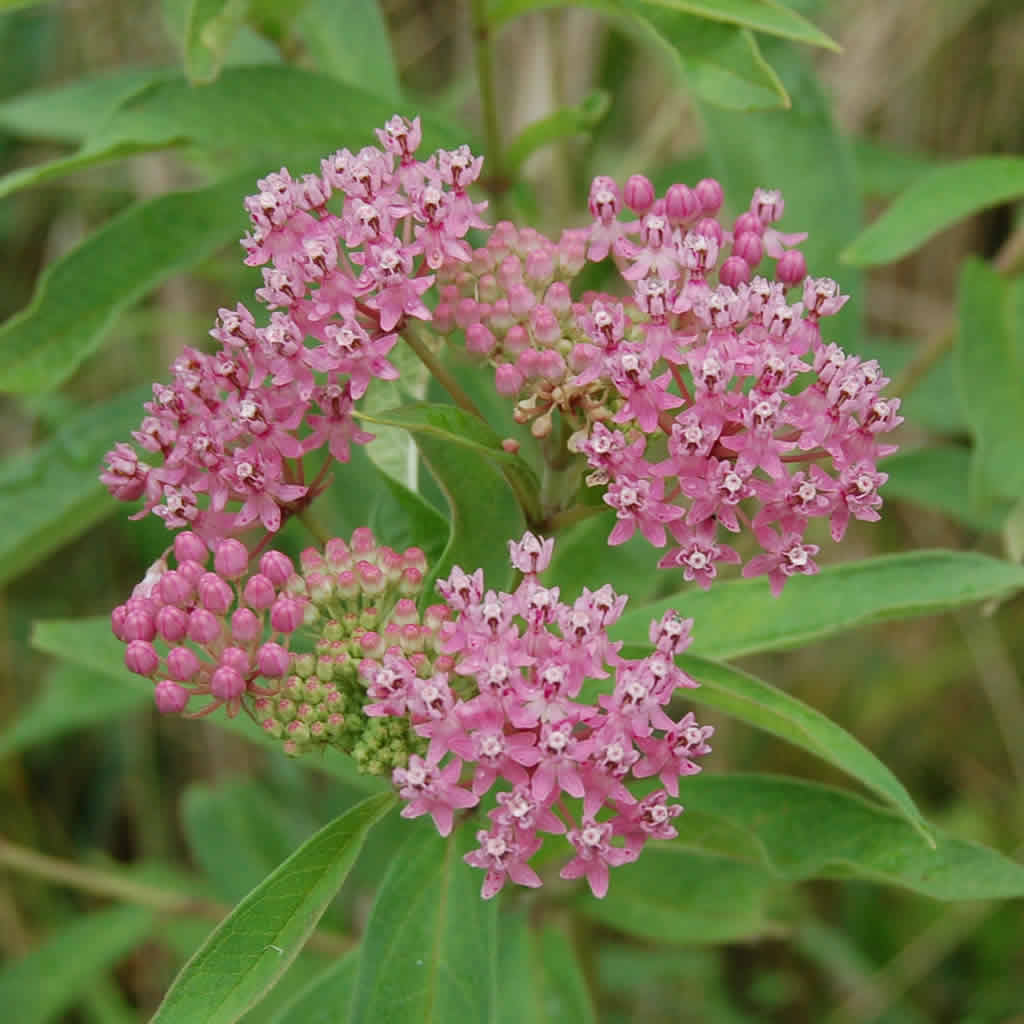
Swamp milkweed is one of the best wildlife plants for the garden. Its pink flowers attract pollinators, and its leaves feed the monarch butterfly caterpillar.
- Easy to grow
- Showy in flower
- Monarch host plant
Details
- 3 to 4 ft. tall and wide
- Clump-forming habit that doesn't spread
- Hardy in USDA hardiness zones 5, 6, 7, and 8
Flowering period
In central North Carolina, swamp milkweed flowers for four to six weeks between June and August.
How to grow
Don’t let the name fool you, swamp milkweed is just as happy growing in a moist garden as it is in a swamp. Plants prefer moist, rich soil, but are surprisingly adaptable and can tolerate periodic drought in heavier soil types. Plant in full sun to keep plants compact and make staking unnecessary.
Care and maintenance
Cut down old stems to ground level any time through the winter. Plants in drier soil may need to be watered during periods of drought.
Where to plant
In flower beds, low-lying areas, and at the edges of ponds.
When to plant
It can be planted anytime the ground is not frozen. Plants will grow fast and establish quickly during the heat of summer.
Spacing
3 to 4 ft. apart when planting more than one swamp milkweed in a group.
When will my plant flower?
Plants planted before June will bloom during the summer if planted in a well-prepared site and kept watered.
Native habitat and range
Edges of marshes, bogs, and swamps from Nova Scotia to Georgia.
Source and origin
Plants are grown from seeds collected in our garden. The original seed source was from plants growing on the edge of a roadside ditch in Alamance County, North Carolina.
Comments
Asclepias incarnata variety pulchra differs from variety incarnata in that its leaves are pubescent (hairy) and slightly wider. Plants also tend to be less branched (fewer stems) than variety incarnata.
Swamp milkweed is one of the best wildlife plants for the garden. Its pink flowers attract pollinators, and its leaves feed the monarch butterfly caterpillar.
- Easy to grow
- Showy in flower
- Monarch host plant
Details
- 3 to 4 ft. tall and wide
- Clump-forming habit that doesn't spread
- Hardy in USDA hardiness zones 5, 6, 7, and 8
Flowering period
In central North Carolina, swamp milkweed flowers for four to six weeks between June and August.
How to grow
Don’t let the name fool you, swamp milkweed is just as happy growing in a moist garden as it is in a swamp. Plants prefer moist, rich soil, but are surprisingly adaptable and can tolerate periodic drought in heavier soil types. Plant in full sun to keep plants compact and make staking unnecessary.
Care and maintenance
Cut down old stems to ground level any time through the winter. Plants in drier soil may need to be watered during periods of drought.
Where to plant
In flower beds, low-lying areas, and at the edges of ponds.
When to plant
It can be planted anytime the ground is not frozen. Plants will grow fast and establish quickly during the heat of summer.
Spacing
3 to 4 ft. apart when planting more than one swamp milkweed in a group.
When will my plant flower?
Plants planted before June will bloom during the summer if planted in a well-prepared site and kept watered.
Native habitat and range
Edges of marshes, bogs, and swamps from Nova Scotia to Georgia.
Source and origin
Plants are grown from seeds collected in our garden. The original seed source was from plants growing on the edge of a roadside ditch in Alamance County, North Carolina.
Comments
Asclepias incarnata variety pulchra differs from variety incarnata in that its leaves are pubescent (hairy) and slightly wider. Plants also tend to be less branched (fewer stems) than variety incarnata.
Original: $15.00
-70%$15.00
$4.50Description
Swamp milkweed is one of the best wildlife plants for the garden. Its pink flowers attract pollinators, and its leaves feed the monarch butterfly caterpillar.
- Easy to grow
- Showy in flower
- Monarch host plant
Details
- 3 to 4 ft. tall and wide
- Clump-forming habit that doesn't spread
- Hardy in USDA hardiness zones 5, 6, 7, and 8
Flowering period
In central North Carolina, swamp milkweed flowers for four to six weeks between June and August.
How to grow
Don’t let the name fool you, swamp milkweed is just as happy growing in a moist garden as it is in a swamp. Plants prefer moist, rich soil, but are surprisingly adaptable and can tolerate periodic drought in heavier soil types. Plant in full sun to keep plants compact and make staking unnecessary.
Care and maintenance
Cut down old stems to ground level any time through the winter. Plants in drier soil may need to be watered during periods of drought.
Where to plant
In flower beds, low-lying areas, and at the edges of ponds.
When to plant
It can be planted anytime the ground is not frozen. Plants will grow fast and establish quickly during the heat of summer.
Spacing
3 to 4 ft. apart when planting more than one swamp milkweed in a group.
When will my plant flower?
Plants planted before June will bloom during the summer if planted in a well-prepared site and kept watered.
Native habitat and range
Edges of marshes, bogs, and swamps from Nova Scotia to Georgia.
Source and origin
Plants are grown from seeds collected in our garden. The original seed source was from plants growing on the edge of a roadside ditch in Alamance County, North Carolina.
Comments
Asclepias incarnata variety pulchra differs from variety incarnata in that its leaves are pubescent (hairy) and slightly wider. Plants also tend to be less branched (fewer stems) than variety incarnata.