Summer Sunshine Coreopsis
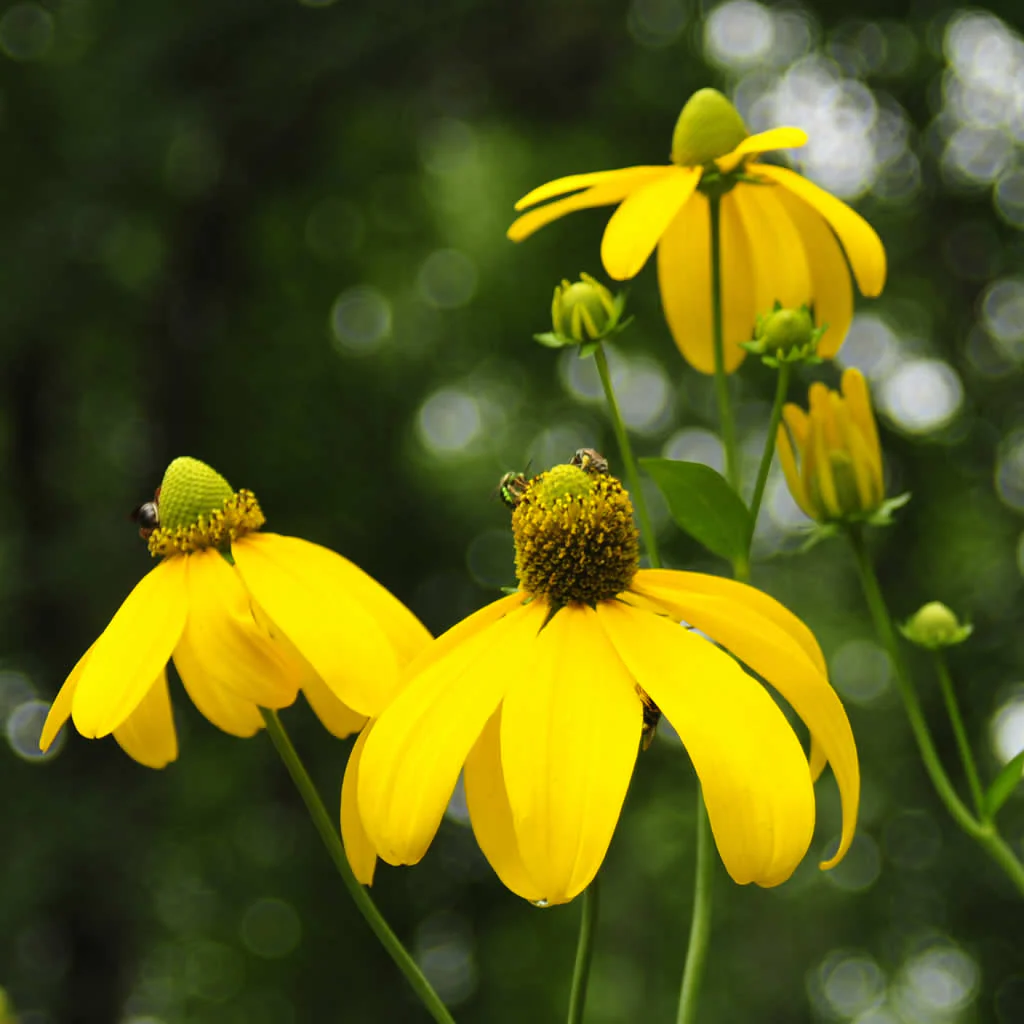
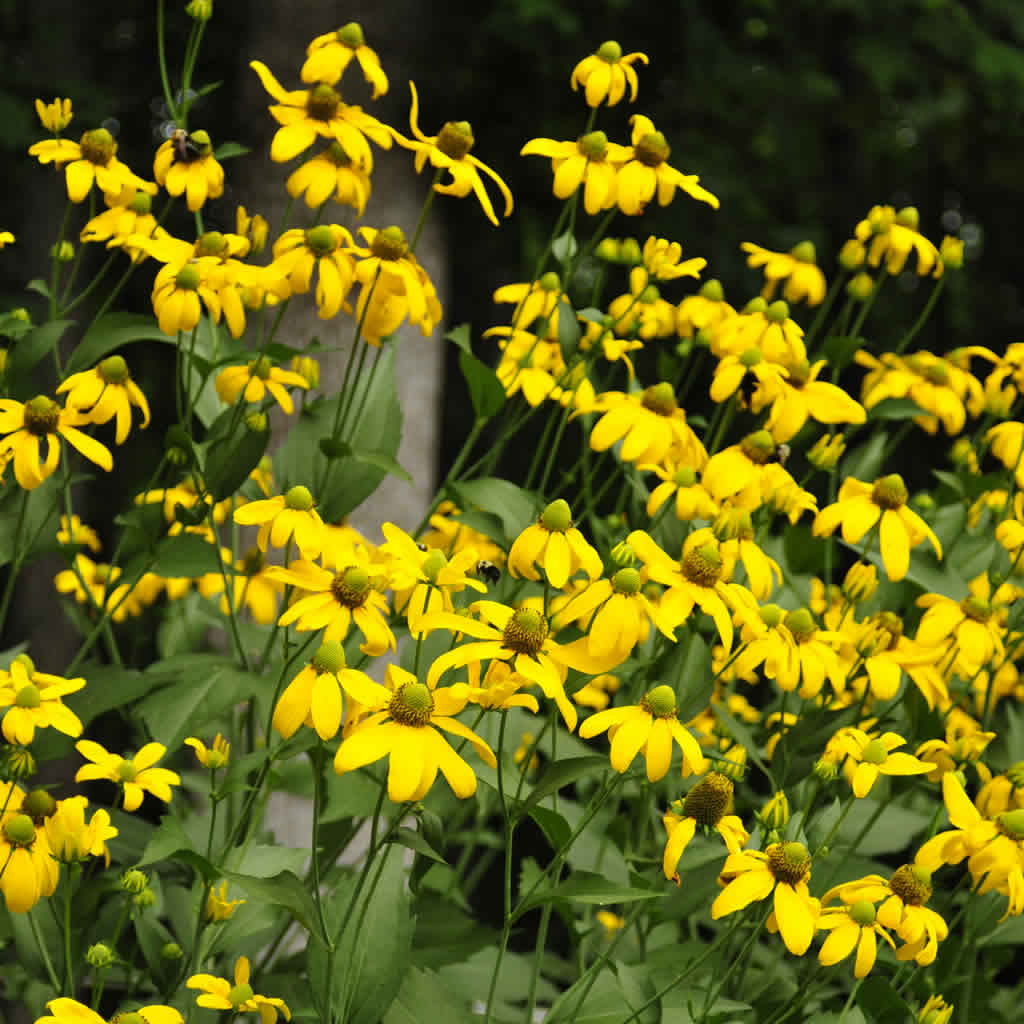
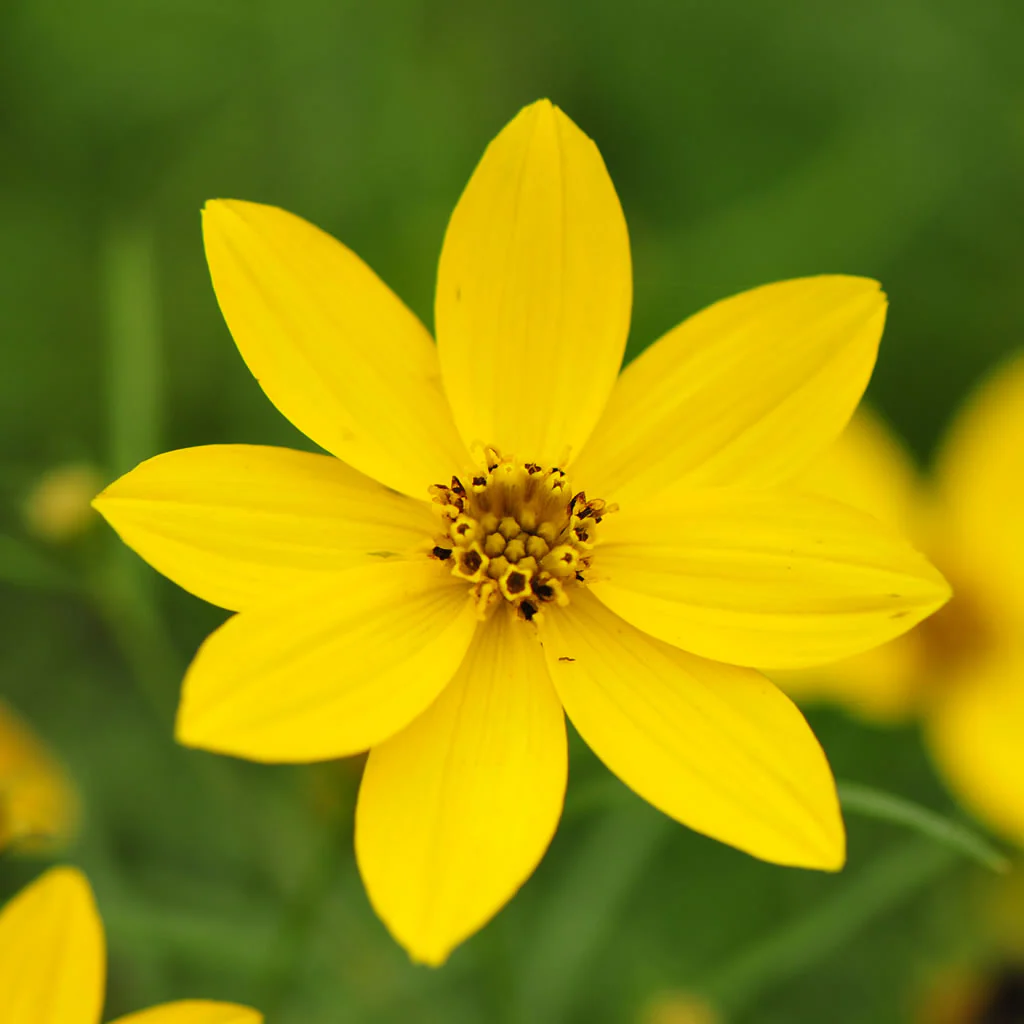
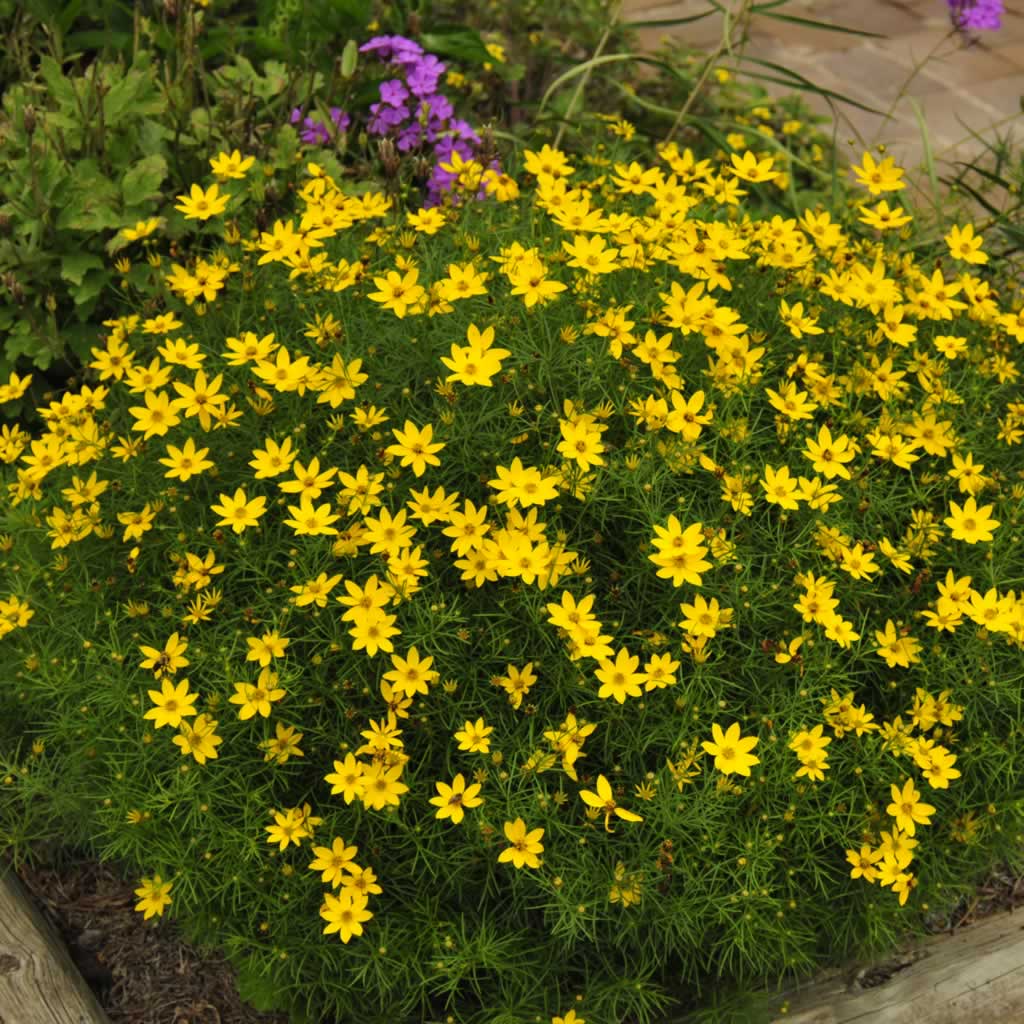
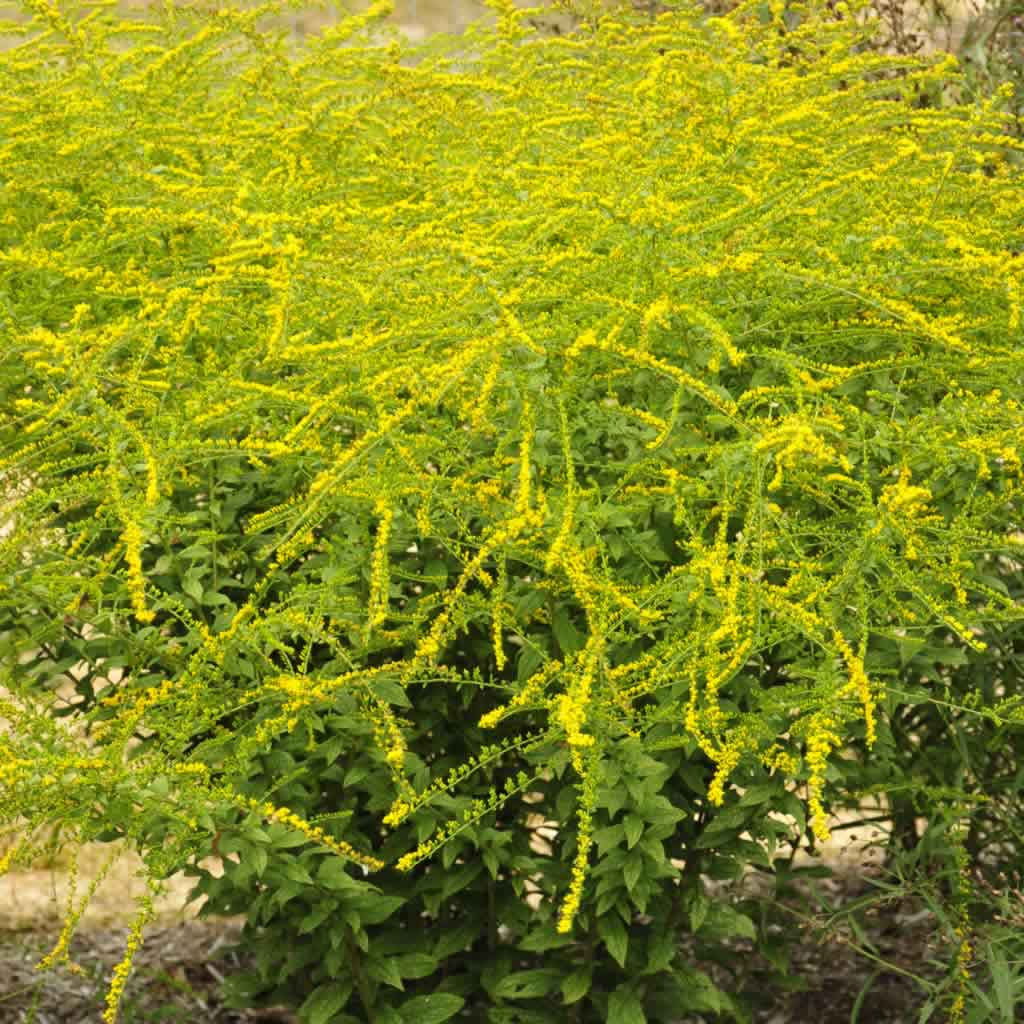
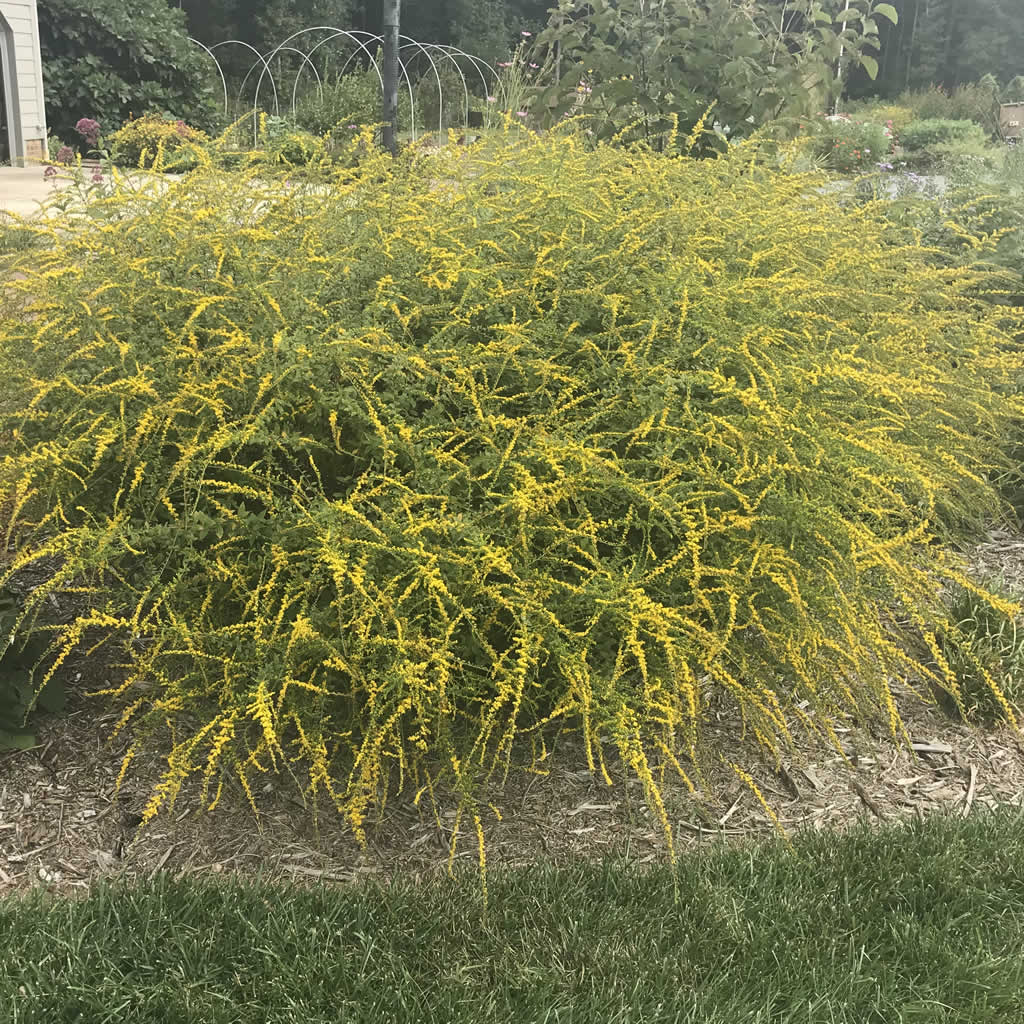
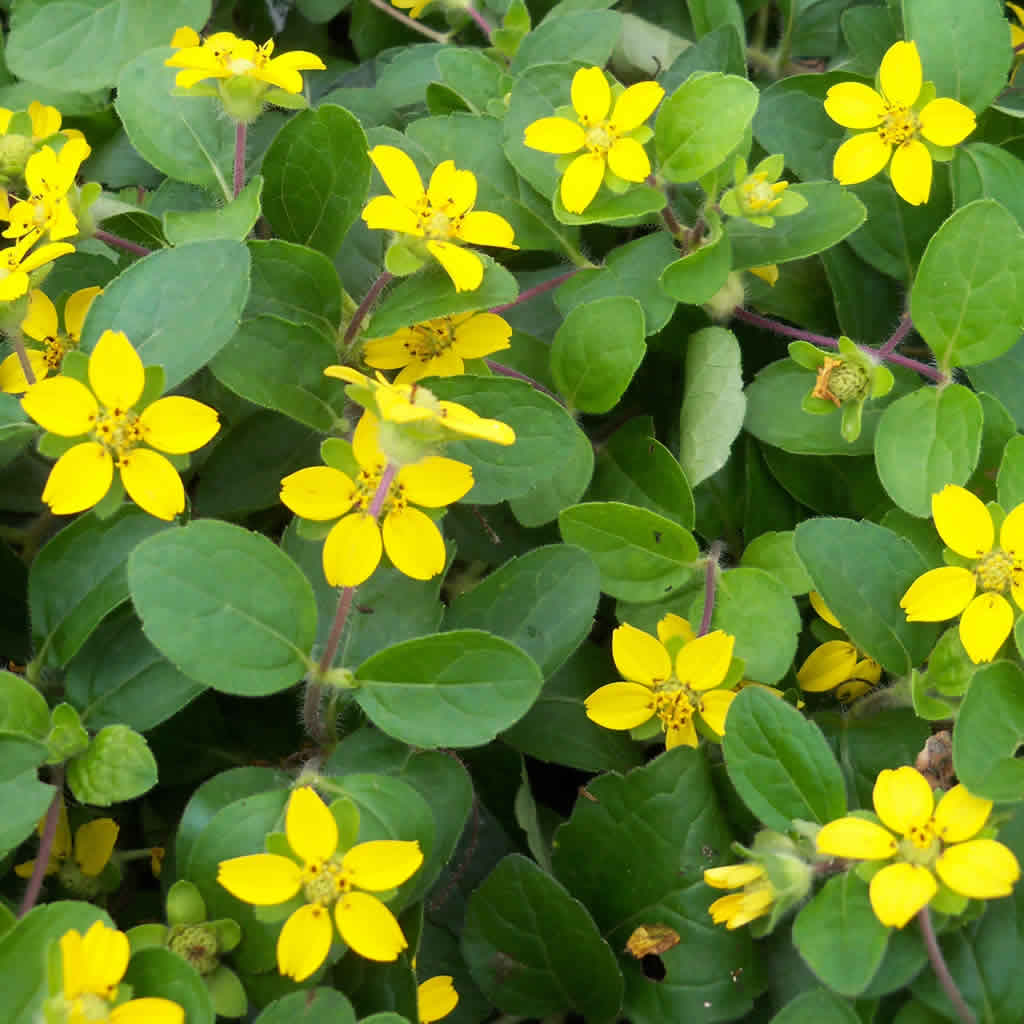
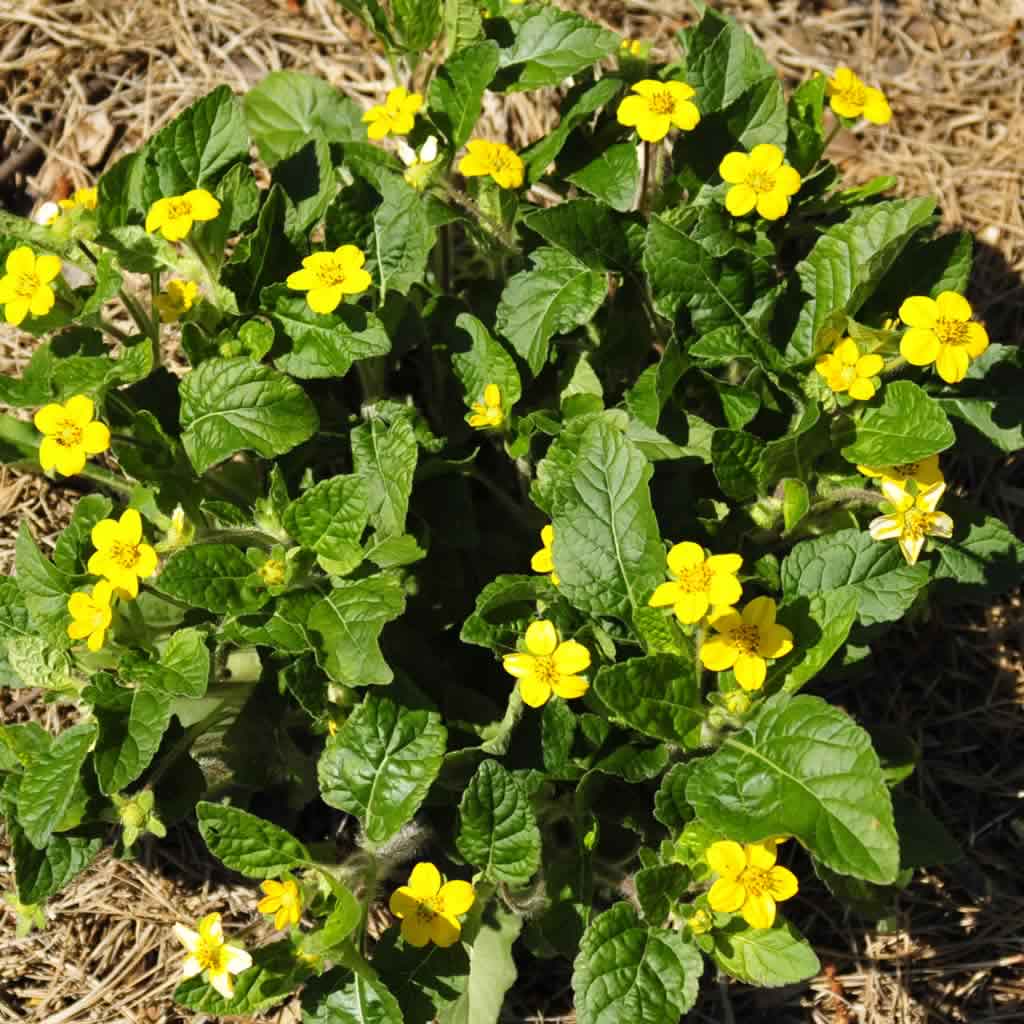
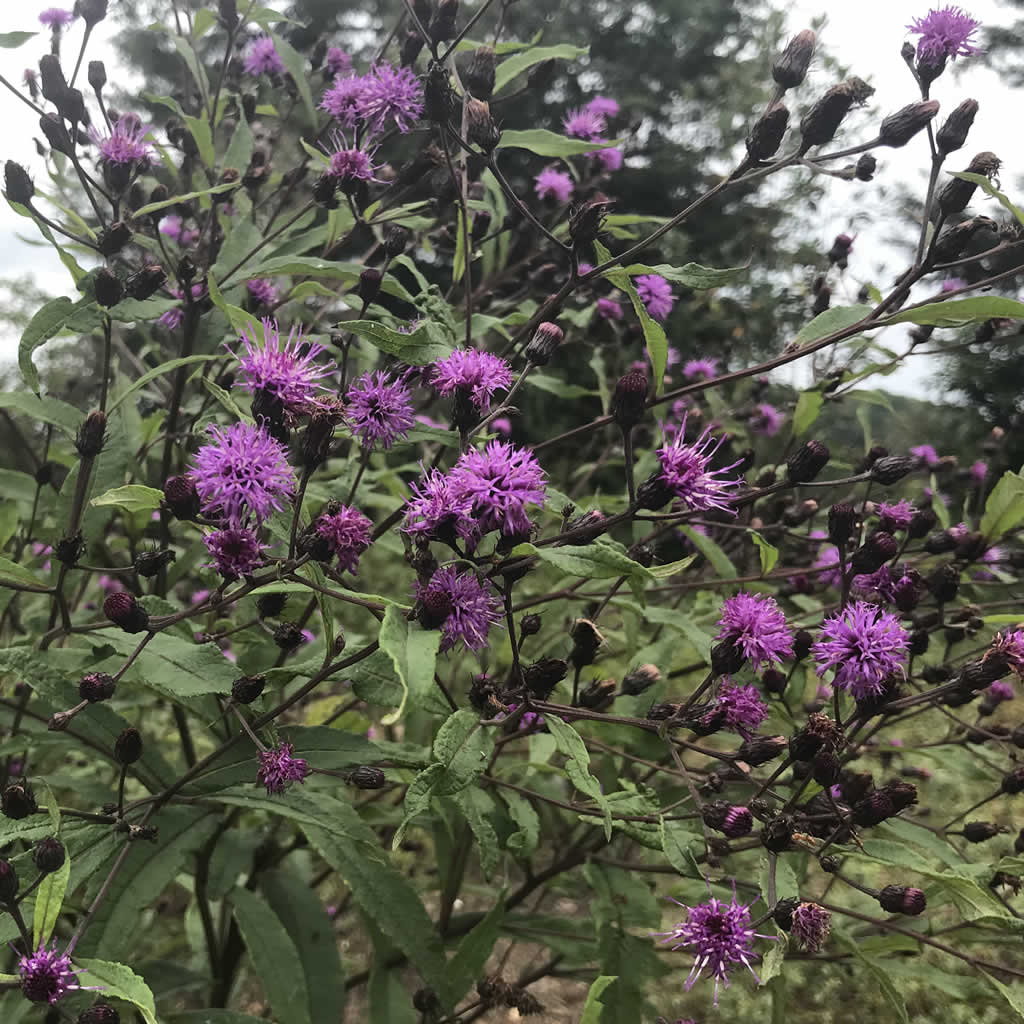
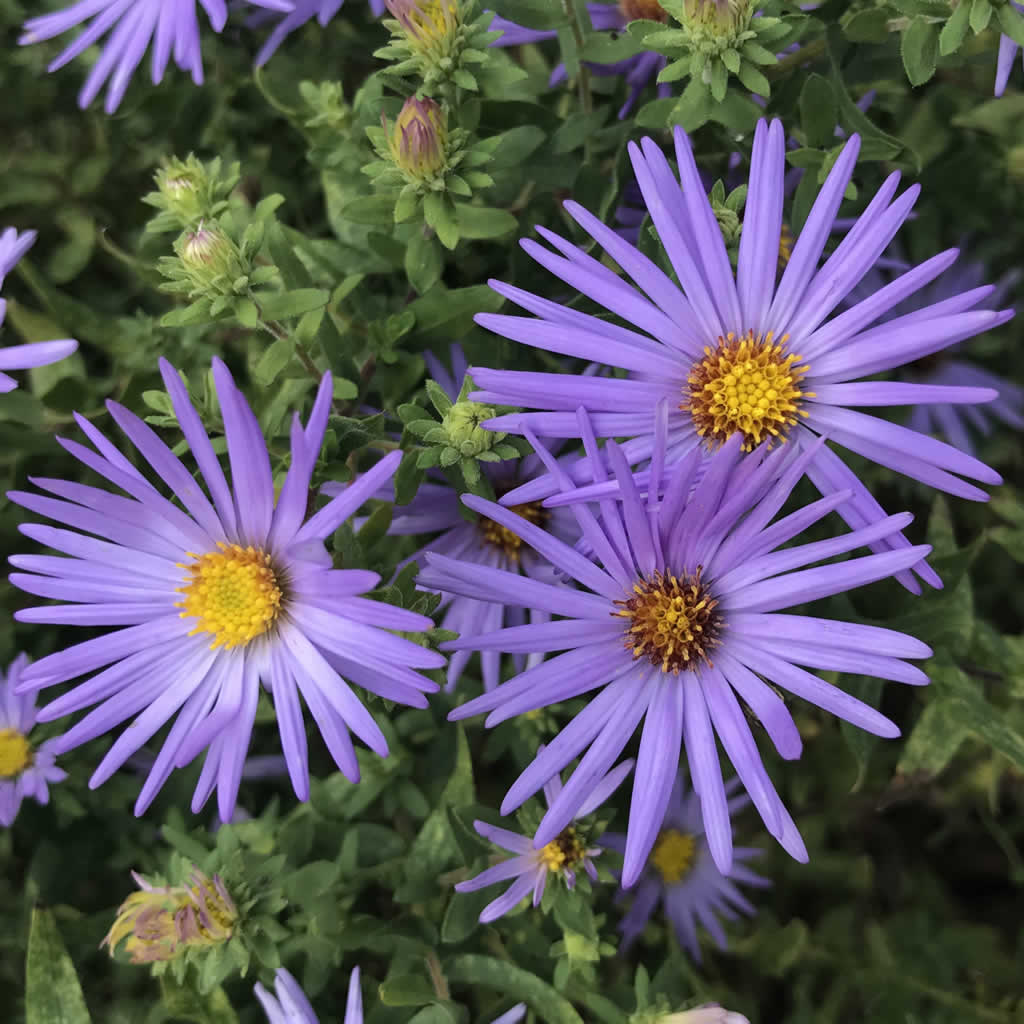
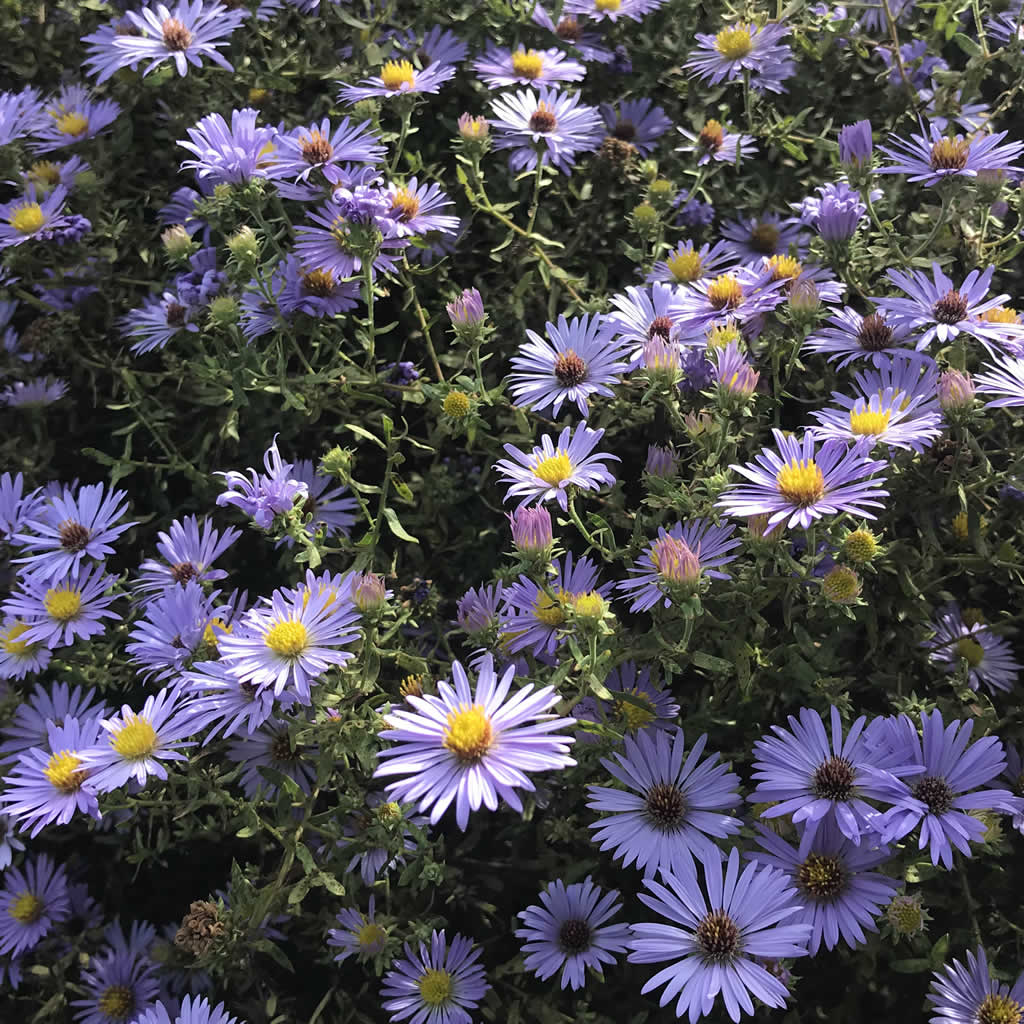
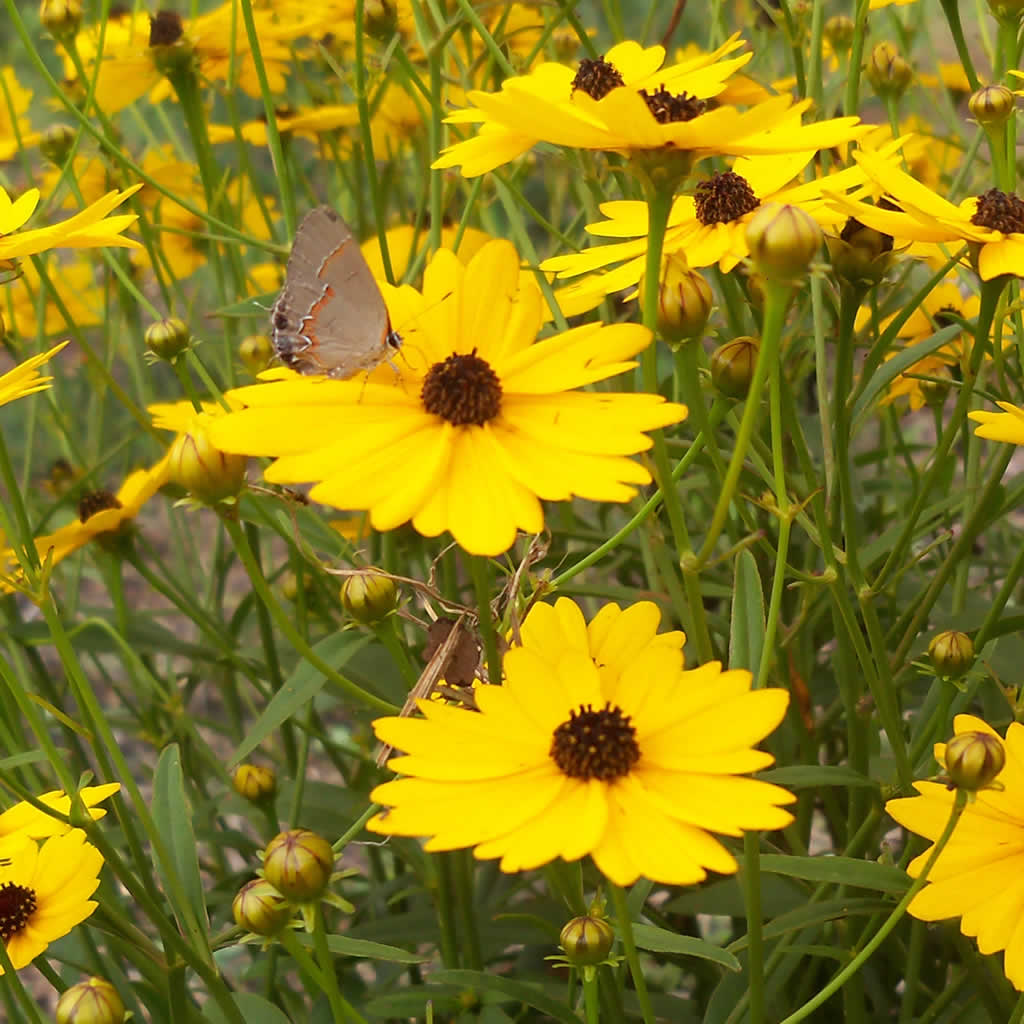
Summer Sunshine Coreopsis was the top performer in the Mt. Cuba Center Coreopsis trial. With its disease-resistant foliage and show-stopping floral display, it’s the perfect plant to brighten up the fall garden.
- Tough and long-lived perennial
- Compact habit
- Late-season flowers feed bees and butterflies
Details
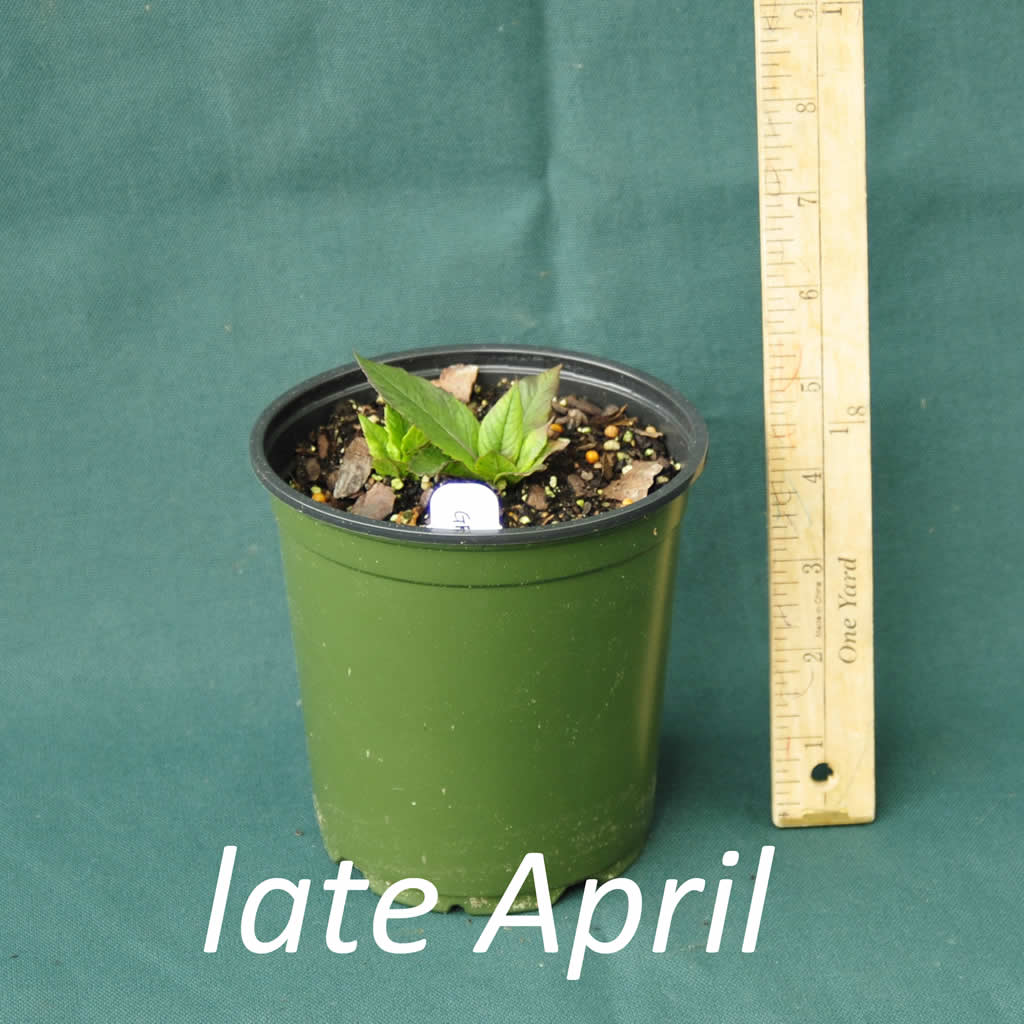
- 30 inches tall and 36 to 48 inches wide
- Spreads slowly to cover ground and suppress weeds
- Hardy in USDA hardiness zones 6, 7, 8, and 9
Flowering period
In central North Carolina, flowering starts in mid-September and continues for about six weeks.
How to grow
Sun to partial shade. Very adaptable, preferring moist soil, though will tolerate all but the driest of soil.
Care and maintenance
Easy to look after and care for. Keep watered while it gets established and cut back old flowering stems in late winter.
Where to plant
Flower beds, rain gardens, pond edges, or any site where flooding can occur.
When to plant
Spring through early summer is the best time for northern gardens, while it can be planted in the South anytime the ground is not frozen.
Spacing
Two to three feet apart when planting in a group.
When will my plant flower?
Plants purchased in spring and summer will flower in the fall.
Native habitat and range
Edges of swamp forests where they can be flooded for extended periods. Coreopsis palustris is native from southeast North Carolina to northeast Florida and is considered rare throughout its range.
Source and origin
Plants are grown from cuttings here at the nursery. The original plant was grown by the late North Carolina Botanical Garden curator Rob Gardner from seed collected in southeastern NC.
Summer Sunshine Coreopsis was the top performer in the Mt. Cuba Center Coreopsis trial. With its disease-resistant foliage and show-stopping floral display, it’s the perfect plant to brighten up the fall garden.
- Tough and long-lived perennial
- Compact habit
- Late-season flowers feed bees and butterflies
Details
- 30 inches tall and 36 to 48 inches wide
- Spreads slowly to cover ground and suppress weeds
- Hardy in USDA hardiness zones 6, 7, 8, and 9
Flowering period
In central North Carolina, flowering starts in mid-September and continues for about six weeks.
How to grow
Sun to partial shade. Very adaptable, preferring moist soil, though will tolerate all but the driest of soil.
Care and maintenance
Easy to look after and care for. Keep watered while it gets established and cut back old flowering stems in late winter.
Where to plant
Flower beds, rain gardens, pond edges, or any site where flooding can occur.
When to plant
Spring through early summer is the best time for northern gardens, while it can be planted in the South anytime the ground is not frozen.
Spacing
Two to three feet apart when planting in a group.
When will my plant flower?
Plants purchased in spring and summer will flower in the fall.
Native habitat and range
Edges of swamp forests where they can be flooded for extended periods. Coreopsis palustris is native from southeast North Carolina to northeast Florida and is considered rare throughout its range.
Source and origin
Plants are grown from cuttings here at the nursery. The original plant was grown by the late North Carolina Botanical Garden curator Rob Gardner from seed collected in southeastern NC.
Original: $15.00
-70%$15.00
$4.50Description
Summer Sunshine Coreopsis was the top performer in the Mt. Cuba Center Coreopsis trial. With its disease-resistant foliage and show-stopping floral display, it’s the perfect plant to brighten up the fall garden.
- Tough and long-lived perennial
- Compact habit
- Late-season flowers feed bees and butterflies
Details
- 30 inches tall and 36 to 48 inches wide
- Spreads slowly to cover ground and suppress weeds
- Hardy in USDA hardiness zones 6, 7, 8, and 9
Flowering period
In central North Carolina, flowering starts in mid-September and continues for about six weeks.
How to grow
Sun to partial shade. Very adaptable, preferring moist soil, though will tolerate all but the driest of soil.
Care and maintenance
Easy to look after and care for. Keep watered while it gets established and cut back old flowering stems in late winter.
Where to plant
Flower beds, rain gardens, pond edges, or any site where flooding can occur.
When to plant
Spring through early summer is the best time for northern gardens, while it can be planted in the South anytime the ground is not frozen.
Spacing
Two to three feet apart when planting in a group.
When will my plant flower?
Plants purchased in spring and summer will flower in the fall.
Native habitat and range
Edges of swamp forests where they can be flooded for extended periods. Coreopsis palustris is native from southeast North Carolina to northeast Florida and is considered rare throughout its range.
Source and origin
Plants are grown from cuttings here at the nursery. The original plant was grown by the late North Carolina Botanical Garden curator Rob Gardner from seed collected in southeastern NC.