Leah Wilkerson Pitcher Plant
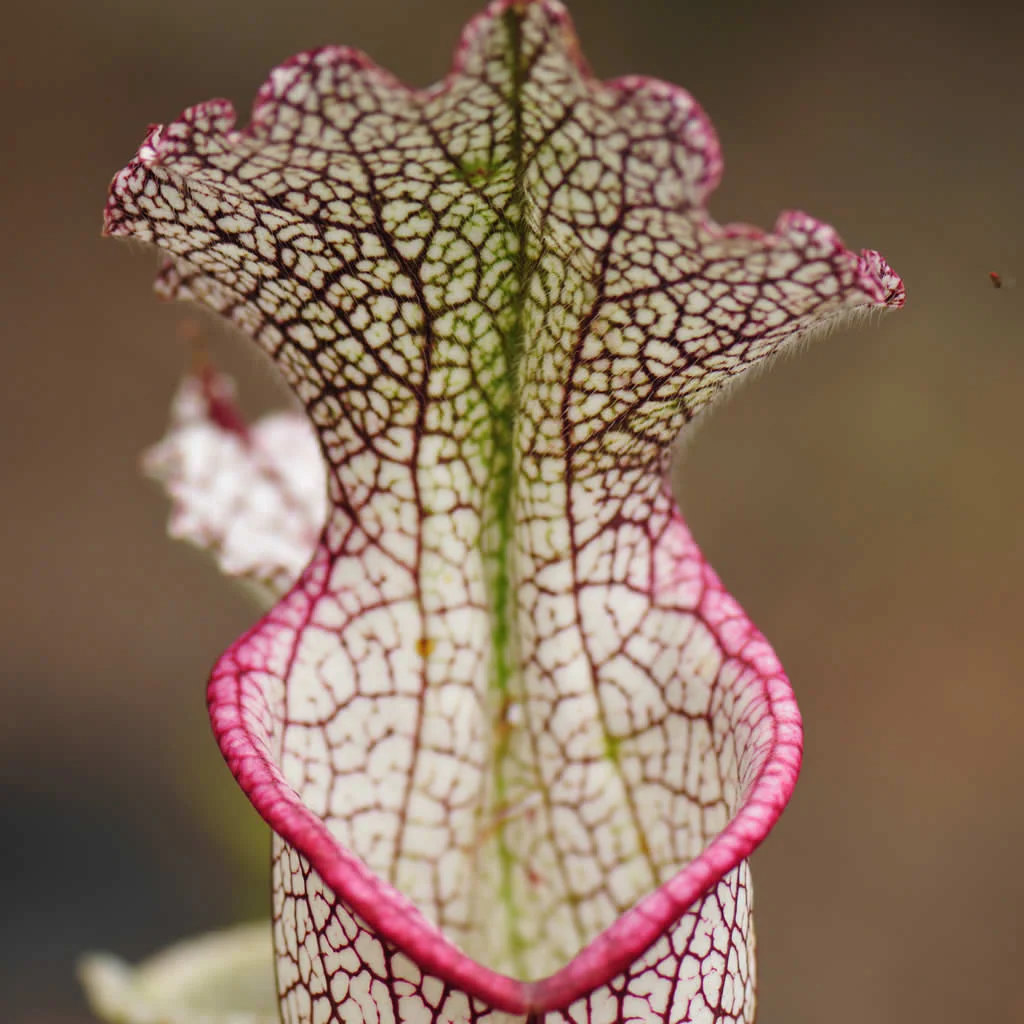
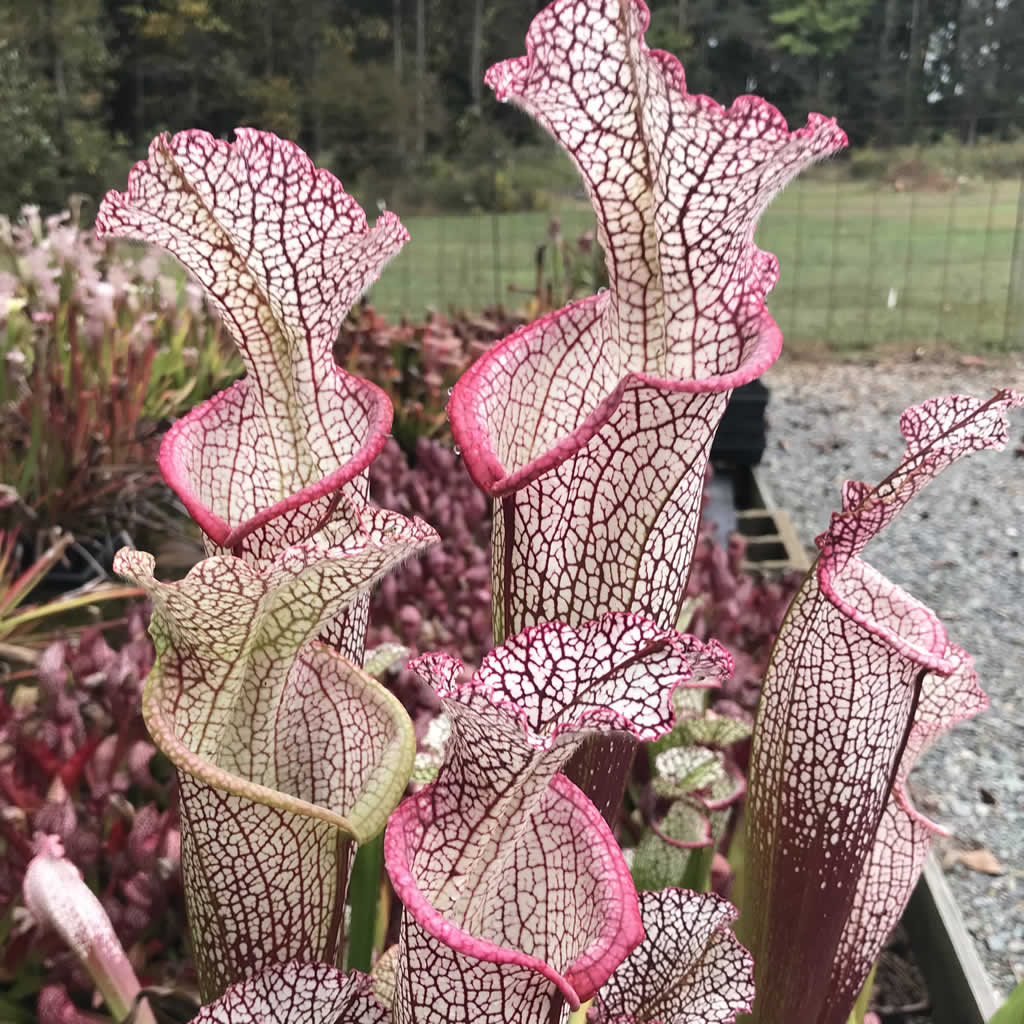
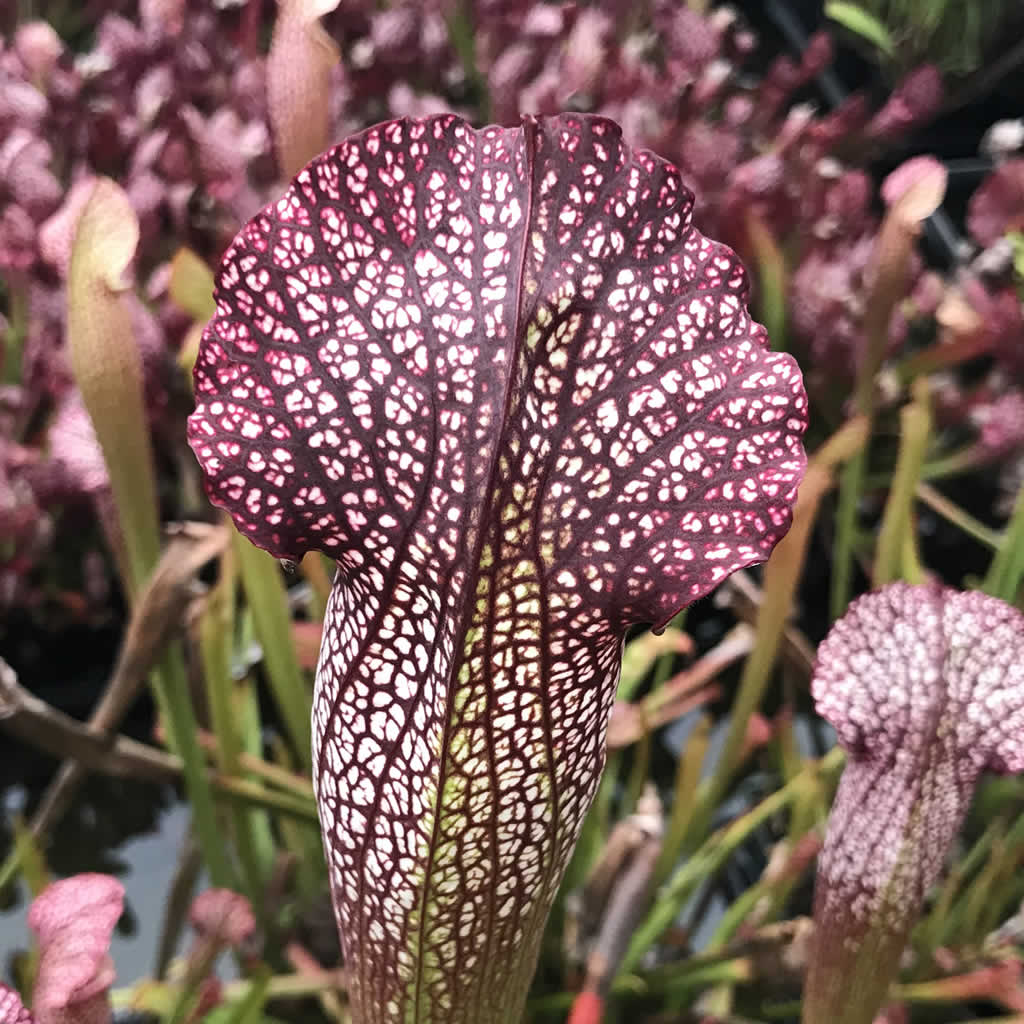
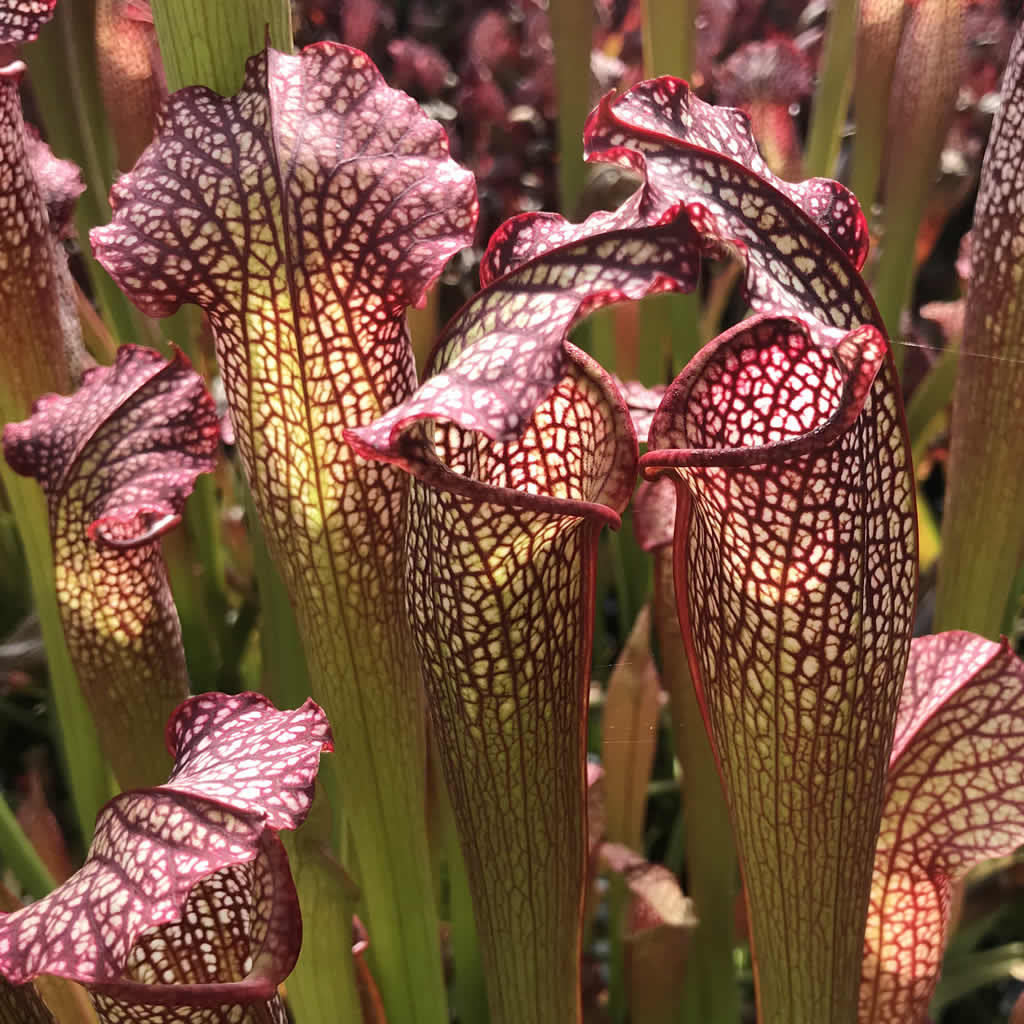
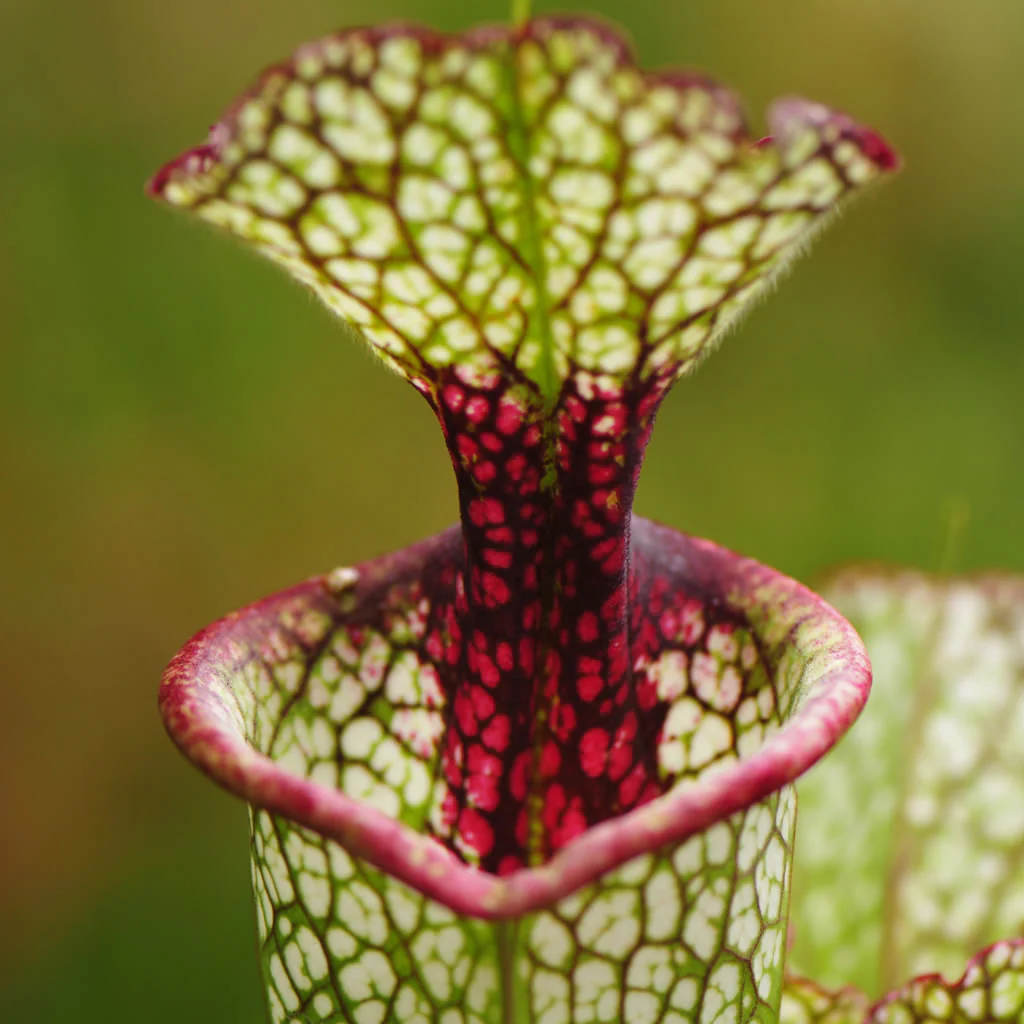
Leah Wilkerson's deeply veined leaves and contrasting dark burgundy throat make it arguably one of the finest pitcher plants ever discovered in the wild.
- Vibrant colored leaves
- Produces lots of pitchers (leaves) throughout the growing season
Details
- 30 to 40 in. tall
- Grows to 12 in. wide over 3 to 5 years
- Clump-forming habit
- Hardy in USDA hardiness zones 7, 8, and 9
Flowering period
In central North Carolina, flowers open in late April before the new pitchers emerge.
How to grow
- Full sun
- Plant in a peat-based growing medium (75% Canadian peat moss to 25% perlite)
- Keep wet by growing plants with their containers sitting in a tray of water
- Don't fertilize, they catch their own
- Only water with rain, distilled, or reverse osmosis water
Care and maintenance
After a hard frost, the tips of the pitchers may turn brown. Trim off the dead parts of the leaf to keep plants looking attractive.
Where to plant
Large tubs and bogs.
When to plant
Sarracenia 'Leah Wilkerson' can be planted anytime throughout the growing season.
When will my plant flower?
Plants are flowering size and will bloom their first year if purchased before April.
Native habitat and range
The parents of this hybrid grow in bogs and savannas in the southeastern United States.
Source and origin
A natural hybrid between Sarracenia leucophylla and Sarracenia flava. It was discovered in Walton Co, Florida.
Leah Wilkerson's deeply veined leaves and contrasting dark burgundy throat make it arguably one of the finest pitcher plants ever discovered in the wild.
- Vibrant colored leaves
- Produces lots of pitchers (leaves) throughout the growing season
Details
- 30 to 40 in. tall
- Grows to 12 in. wide over 3 to 5 years
- Clump-forming habit
- Hardy in USDA hardiness zones 7, 8, and 9
Flowering period
In central North Carolina, flowers open in late April before the new pitchers emerge.
How to grow
- Full sun
- Plant in a peat-based growing medium (75% Canadian peat moss to 25% perlite)
- Keep wet by growing plants with their containers sitting in a tray of water
- Don't fertilize, they catch their own
- Only water with rain, distilled, or reverse osmosis water
Care and maintenance
After a hard frost, the tips of the pitchers may turn brown. Trim off the dead parts of the leaf to keep plants looking attractive.
Where to plant
Large tubs and bogs.
When to plant
Sarracenia 'Leah Wilkerson' can be planted anytime throughout the growing season.
When will my plant flower?
Plants are flowering size and will bloom their first year if purchased before April.
Native habitat and range
The parents of this hybrid grow in bogs and savannas in the southeastern United States.
Source and origin
A natural hybrid between Sarracenia leucophylla and Sarracenia flava. It was discovered in Walton Co, Florida.
Original: $40.00
-70%$40.00
$12.00Description
Leah Wilkerson's deeply veined leaves and contrasting dark burgundy throat make it arguably one of the finest pitcher plants ever discovered in the wild.
- Vibrant colored leaves
- Produces lots of pitchers (leaves) throughout the growing season
Details
- 30 to 40 in. tall
- Grows to 12 in. wide over 3 to 5 years
- Clump-forming habit
- Hardy in USDA hardiness zones 7, 8, and 9
Flowering period
In central North Carolina, flowers open in late April before the new pitchers emerge.
How to grow
- Full sun
- Plant in a peat-based growing medium (75% Canadian peat moss to 25% perlite)
- Keep wet by growing plants with their containers sitting in a tray of water
- Don't fertilize, they catch their own
- Only water with rain, distilled, or reverse osmosis water
Care and maintenance
After a hard frost, the tips of the pitchers may turn brown. Trim off the dead parts of the leaf to keep plants looking attractive.
Where to plant
Large tubs and bogs.
When to plant
Sarracenia 'Leah Wilkerson' can be planted anytime throughout the growing season.
When will my plant flower?
Plants are flowering size and will bloom their first year if purchased before April.
Native habitat and range
The parents of this hybrid grow in bogs and savannas in the southeastern United States.
Source and origin
A natural hybrid between Sarracenia leucophylla and Sarracenia flava. It was discovered in Walton Co, Florida.