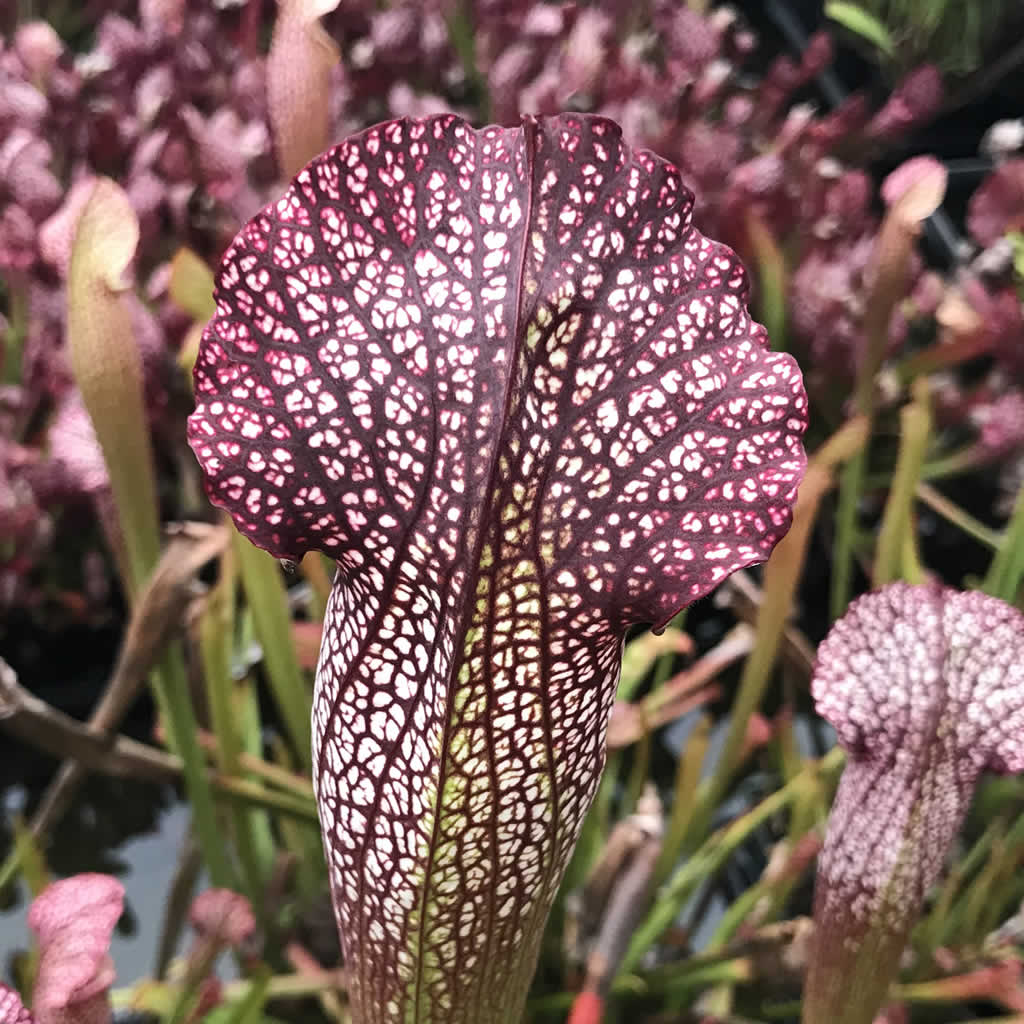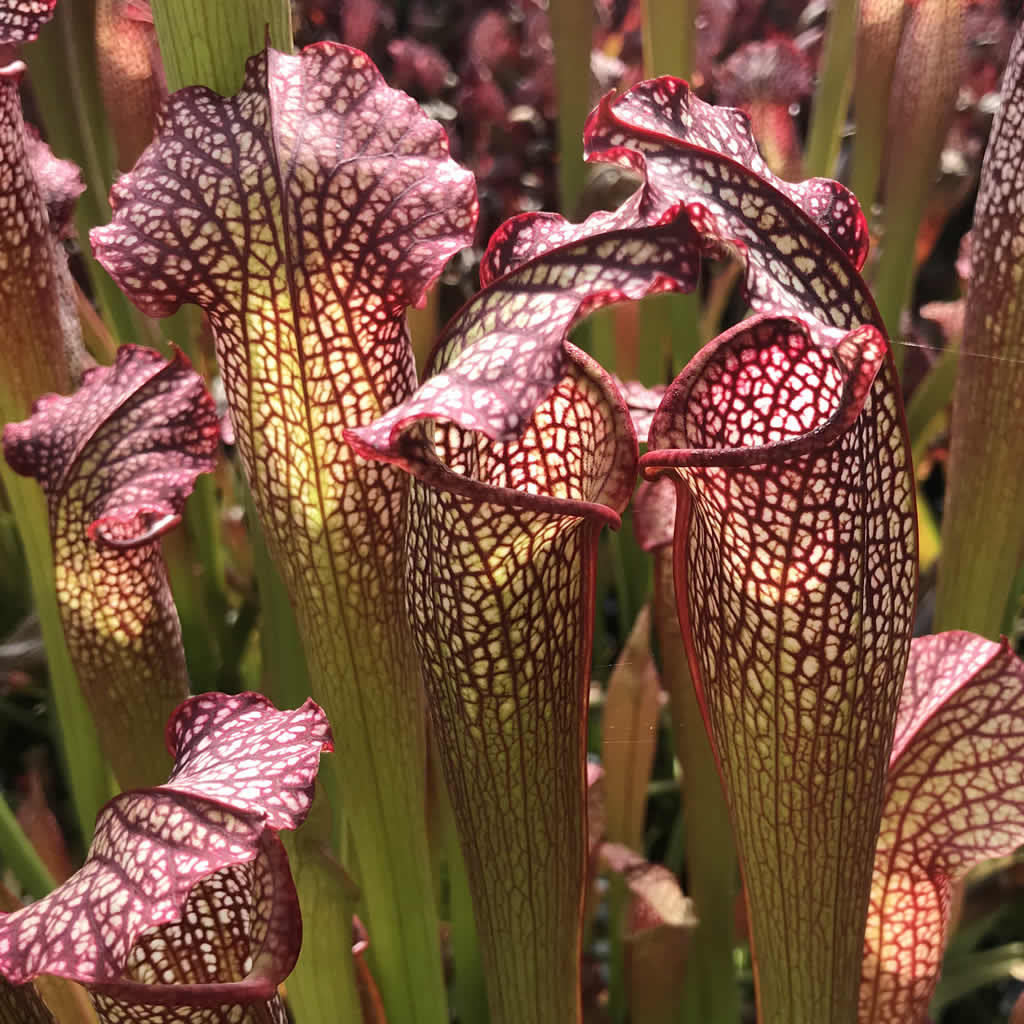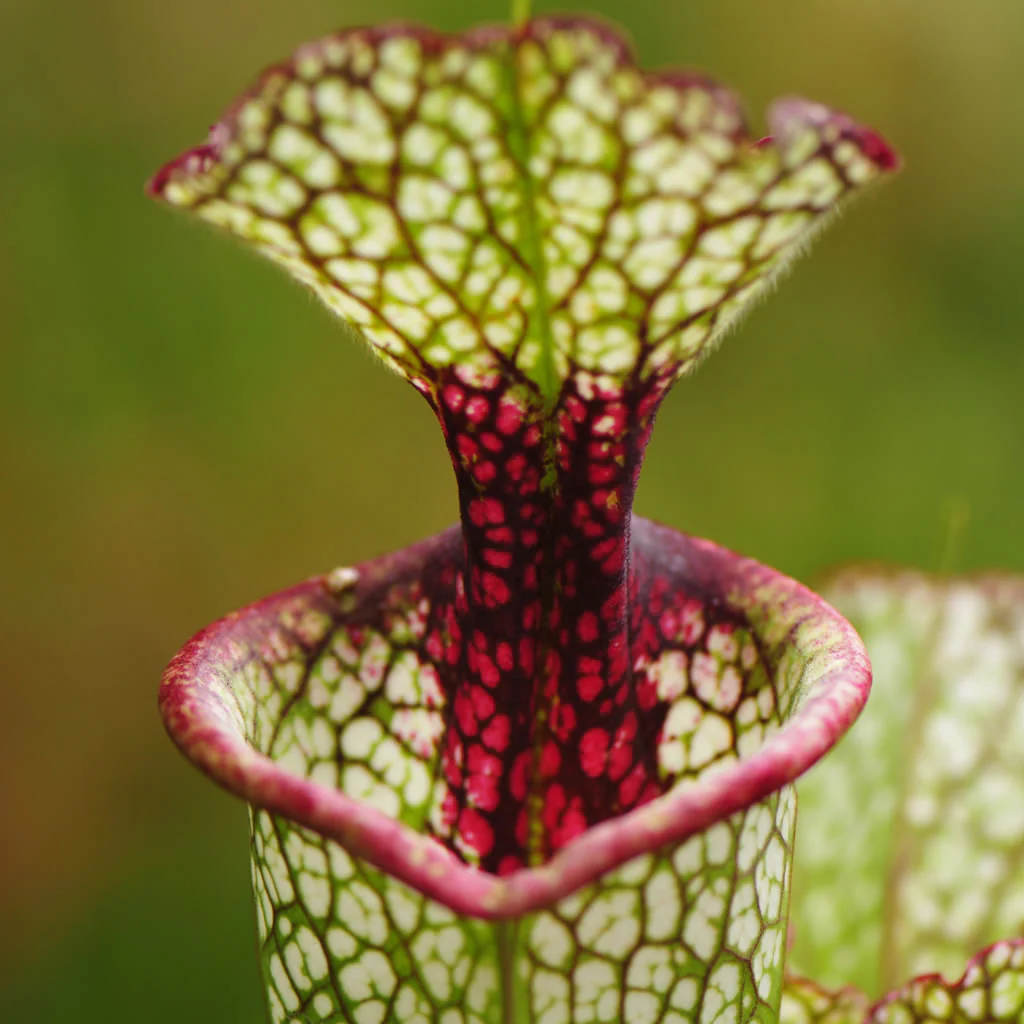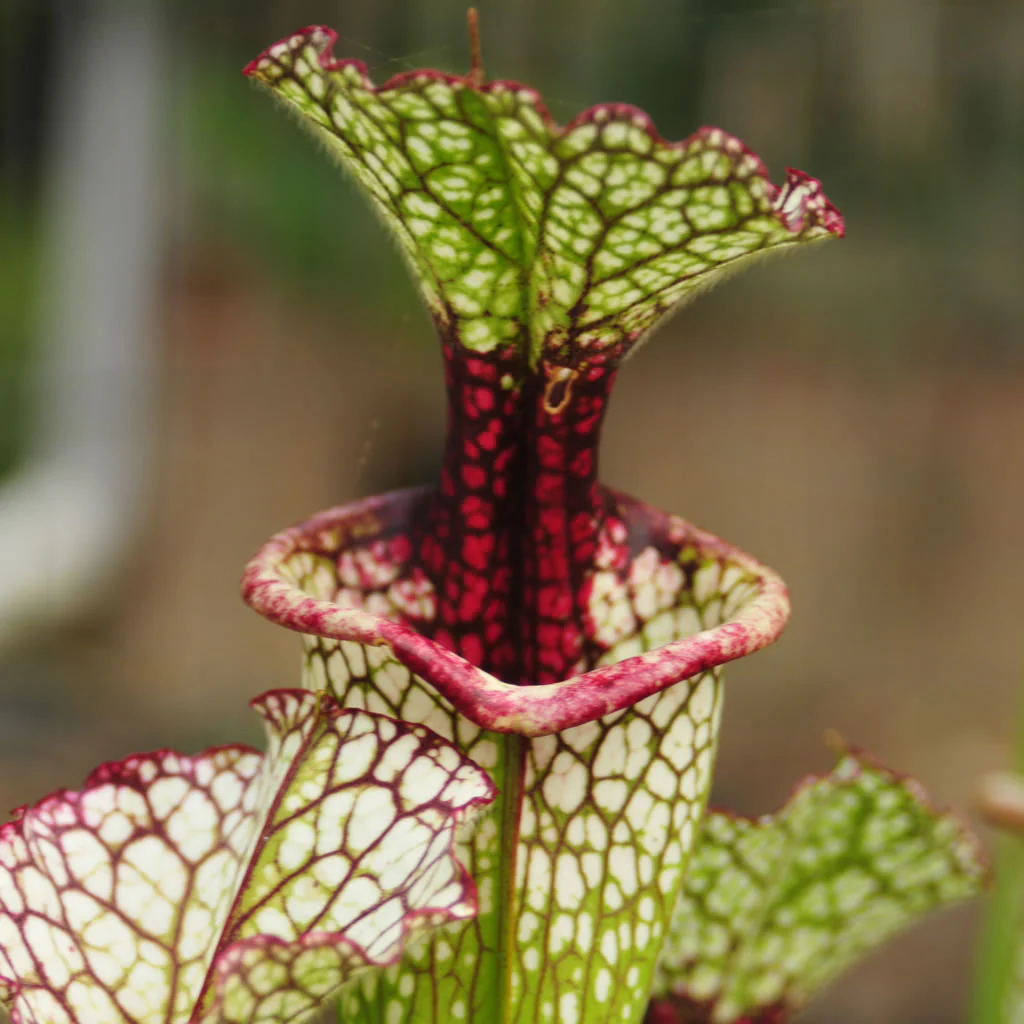
Big Mouth Venus Flytrap
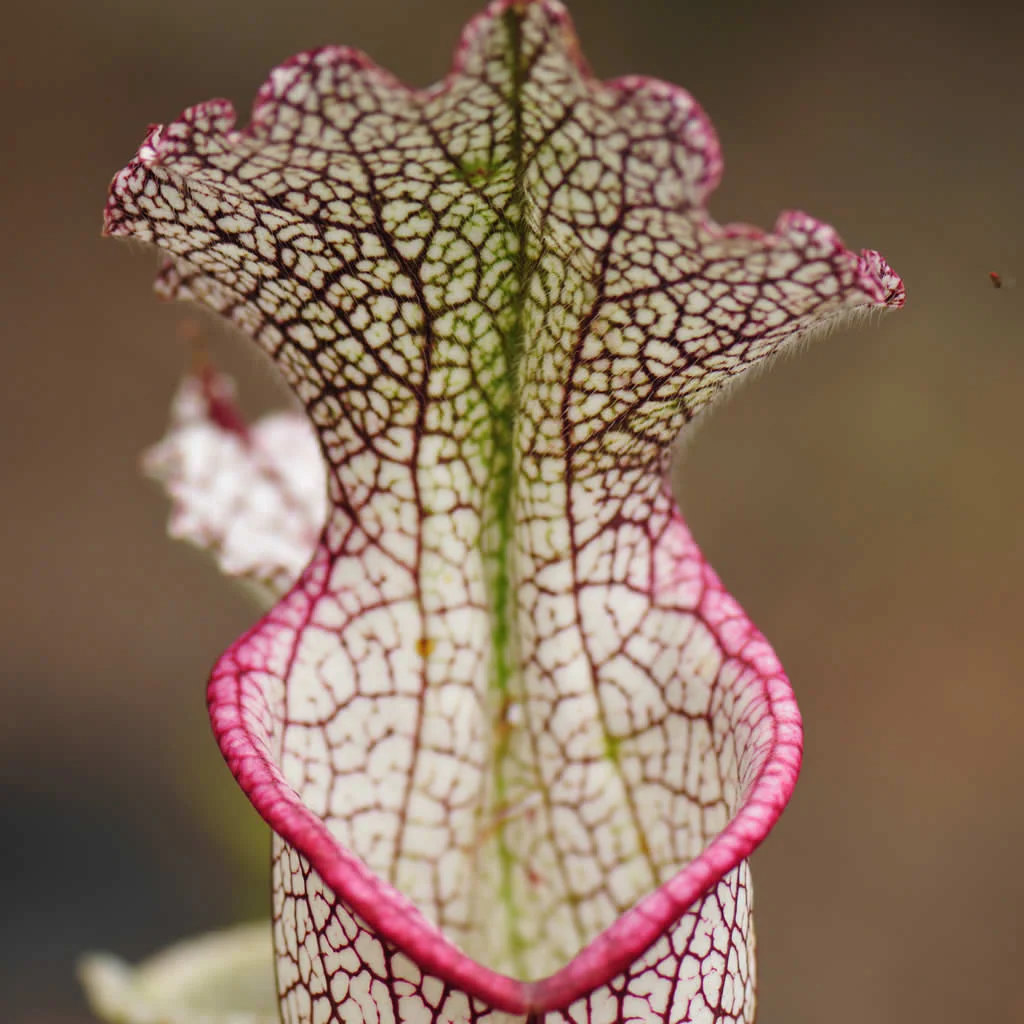
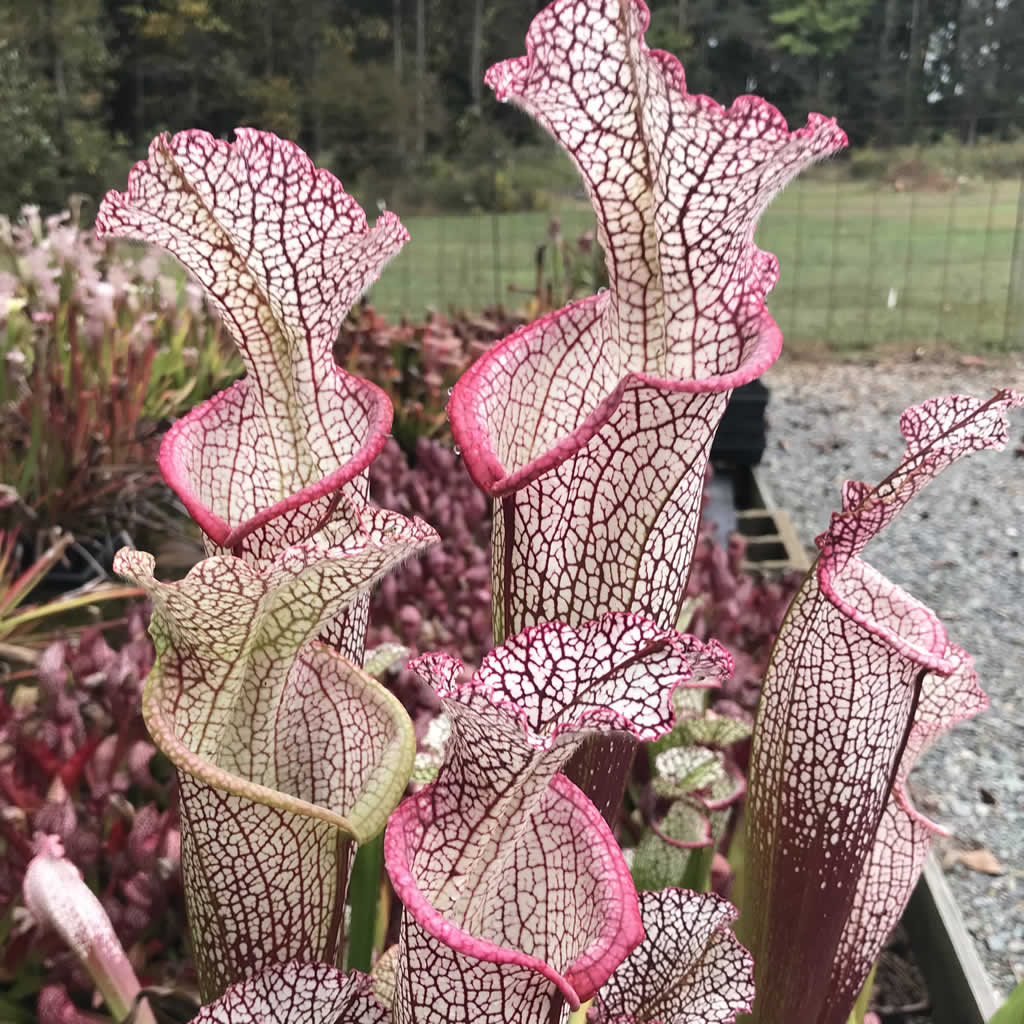
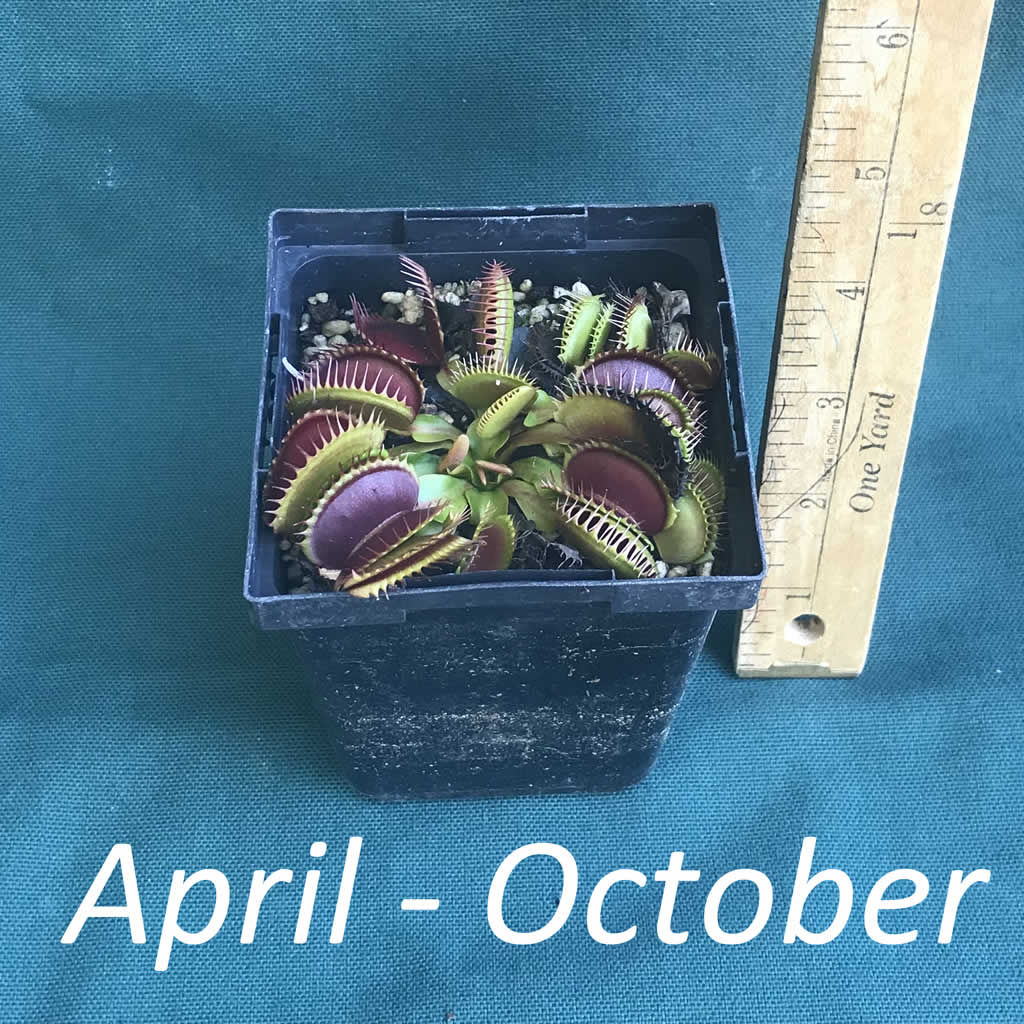
Described by Charles Darwin as “one of the most wonderful plants in the world,” the Venus Flytrap is a captivating carnivorous plant that captures its prey with a snap-trap mechanism. It’s easy to grow with the right care and makes a fascinating addition to any collection, offering botanical intrigue and a great conversation starter.
Key Features
- Perennial Plant: Dies back to a basal rosette in the fall and regrows in spring.
- Selected Variety: The Big Mouth Venus Flytrap boasts large traps and a compact, ground-hugging habit.
- Size: Grows 2–3 inches tall (6–8 inches when flowering) and spreads up to 6 inches wide.
- Hardiness Zones: Thrives in USDA Zones 7, 8, and 9.
Flowering period
White flowers bloom in May in central North Carolina.
How to grow
Venus Flytraps thrive outdoors with proper care. Follow these guidelines to keep your plant healthy:
Light Requirements: Place in direct sunlight for at least 6 hours daily.
Soil: Use a 50:50 mix of Canadian peat moss and perlite for a peat-based growing medium.
Watering: Water only with rain, distilled, or reverse osmosis water to avoid harmful minerals. Always keep the soil moist but avoid waterlogging and make sure the soil never dries out.
Dormancy: Allow plants to go dormant naturally in the fall by keeping them outdoors.
Tips for Growing Venus Flytraps In a Bog Garden: Plants tolerate temperatures down to at least 15°F when grown in bog gardens.
In Containers: Water by placing the pot in 1–2 inches of water for 1–2 hours daily during summer. During freezing weather (below 20°F), move plants temporaly to a garage, basement, or cool room.
Care and Maintenance
Flower Management: Remove the flower spike after the first bloom to encourage leaf growth.
Handle with Care: Avoid touching the traps unnecessarily, as this can weaken the plant.
Feeding: Feed only live insects—avoid scraps of meat or fertilizers, which can harm the plant.
Indoor Challenges: Plants grown indoors often suffer from inadequate light and low humidity.
Planting Guide
Where: Suitable for bog gardens or the container it was shipped in (for 1–2 seasons).
When: Plant outside after the last frost in spring.
Native habitat and range
The Venus Flytrap (Dionaea muscipula) is native to the wet savannas and sandhill seepages of southeastern North Carolina and northeastern South Carolina. It thrives in peaty, sandy soils in these regions.
Source and origin
Each plant is propagated from mature plant divisions, ensuring multiple growth points and a robust start. Divisions are grown for at least one year before being offered for sale.
Described by Charles Darwin as “one of the most wonderful plants in the world,” the Venus Flytrap is a captivating carnivorous plant that captures its prey with a snap-trap mechanism. It’s easy to grow with the right care and makes a fascinating addition to any collection, offering botanical intrigue and a great conversation starter.
Key Features
- Perennial Plant: Dies back to a basal rosette in the fall and regrows in spring.
- Selected Variety: The Big Mouth Venus Flytrap boasts large traps and a compact, ground-hugging habit.
- Size: Grows 2–3 inches tall (6–8 inches when flowering) and spreads up to 6 inches wide.
- Hardiness Zones: Thrives in USDA Zones 7, 8, and 9.
Flowering period
White flowers bloom in May in central North Carolina.
How to grow
Venus Flytraps thrive outdoors with proper care. Follow these guidelines to keep your plant healthy:
Light Requirements: Place in direct sunlight for at least 6 hours daily.
Soil: Use a 50:50 mix of Canadian peat moss and perlite for a peat-based growing medium.
Watering: Water only with rain, distilled, or reverse osmosis water to avoid harmful minerals. Always keep the soil moist but avoid waterlogging and make sure the soil never dries out.
Dormancy: Allow plants to go dormant naturally in the fall by keeping them outdoors.
Tips for Growing Venus Flytraps In a Bog Garden: Plants tolerate temperatures down to at least 15°F when grown in bog gardens.
In Containers: Water by placing the pot in 1–2 inches of water for 1–2 hours daily during summer. During freezing weather (below 20°F), move plants temporaly to a garage, basement, or cool room.
Care and Maintenance
Flower Management: Remove the flower spike after the first bloom to encourage leaf growth.
Handle with Care: Avoid touching the traps unnecessarily, as this can weaken the plant.
Feeding: Feed only live insects—avoid scraps of meat or fertilizers, which can harm the plant.
Indoor Challenges: Plants grown indoors often suffer from inadequate light and low humidity.
Planting Guide
Where: Suitable for bog gardens or the container it was shipped in (for 1–2 seasons).
When: Plant outside after the last frost in spring.
Native habitat and range
The Venus Flytrap (Dionaea muscipula) is native to the wet savannas and sandhill seepages of southeastern North Carolina and northeastern South Carolina. It thrives in peaty, sandy soils in these regions.
Source and origin
Each plant is propagated from mature plant divisions, ensuring multiple growth points and a robust start. Divisions are grown for at least one year before being offered for sale.
Original: $15.00
-70%$15.00
$4.50Description
Described by Charles Darwin as “one of the most wonderful plants in the world,” the Venus Flytrap is a captivating carnivorous plant that captures its prey with a snap-trap mechanism. It’s easy to grow with the right care and makes a fascinating addition to any collection, offering botanical intrigue and a great conversation starter.
Key Features
- Perennial Plant: Dies back to a basal rosette in the fall and regrows in spring.
- Selected Variety: The Big Mouth Venus Flytrap boasts large traps and a compact, ground-hugging habit.
- Size: Grows 2–3 inches tall (6–8 inches when flowering) and spreads up to 6 inches wide.
- Hardiness Zones: Thrives in USDA Zones 7, 8, and 9.
Flowering period
White flowers bloom in May in central North Carolina.
How to grow
Venus Flytraps thrive outdoors with proper care. Follow these guidelines to keep your plant healthy:
Light Requirements: Place in direct sunlight for at least 6 hours daily.
Soil: Use a 50:50 mix of Canadian peat moss and perlite for a peat-based growing medium.
Watering: Water only with rain, distilled, or reverse osmosis water to avoid harmful minerals. Always keep the soil moist but avoid waterlogging and make sure the soil never dries out.
Dormancy: Allow plants to go dormant naturally in the fall by keeping them outdoors.
Tips for Growing Venus Flytraps In a Bog Garden: Plants tolerate temperatures down to at least 15°F when grown in bog gardens.
In Containers: Water by placing the pot in 1–2 inches of water for 1–2 hours daily during summer. During freezing weather (below 20°F), move plants temporaly to a garage, basement, or cool room.
Care and Maintenance
Flower Management: Remove the flower spike after the first bloom to encourage leaf growth.
Handle with Care: Avoid touching the traps unnecessarily, as this can weaken the plant.
Feeding: Feed only live insects—avoid scraps of meat or fertilizers, which can harm the plant.
Indoor Challenges: Plants grown indoors often suffer from inadequate light and low humidity.
Planting Guide
Where: Suitable for bog gardens or the container it was shipped in (for 1–2 seasons).
When: Plant outside after the last frost in spring.
Native habitat and range
The Venus Flytrap (Dionaea muscipula) is native to the wet savannas and sandhill seepages of southeastern North Carolina and northeastern South Carolina. It thrives in peaty, sandy soils in these regions.
Source and origin
Each plant is propagated from mature plant divisions, ensuring multiple growth points and a robust start. Divisions are grown for at least one year before being offered for sale.